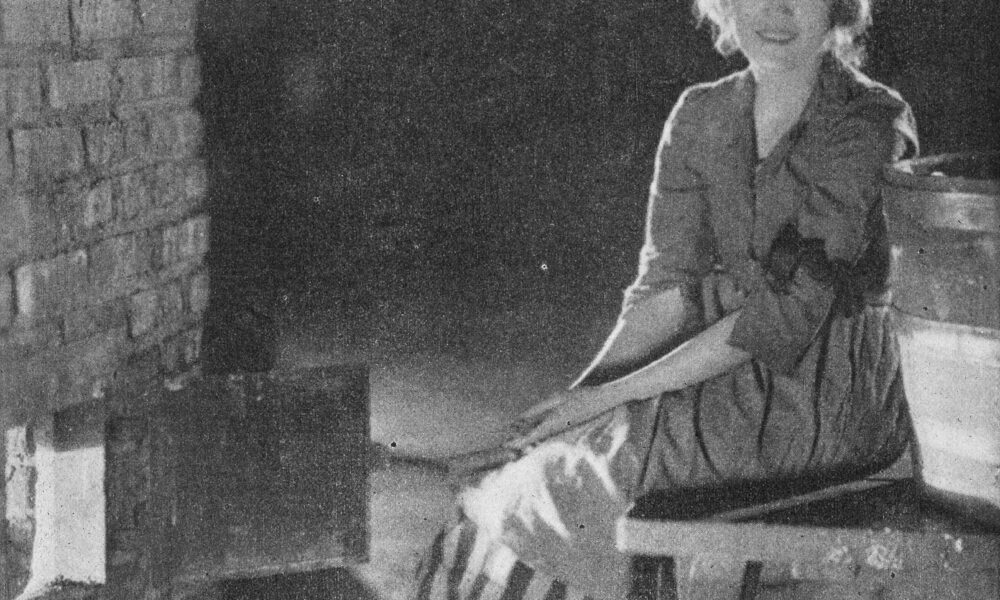

Quick answer: The most influential silent movie stars were not only comedians. Charlie Chaplin, Buster Keaton, Mary Pickford, Lillian Gish, Harold Lloyd, Rudolph Valentino, Louise Brooks and Sessue Hayakawa developed different ways to hold an audience’s attention without synchronized spoken dialogue. The era relied on expressive acting, shot composition, editing, intertitles and music performed live or later added to prints.
Want one film to start with? Choose The Kid (1921) for Chaplin’s comedy and emotion, Sherlock Jr. (1924) for Keaton’s inventive visual storytelling or Way Down East (1920) for Lillian Gish’s dramatic acting. These are recommendations for studying the performances, not claims that each available modern soundtrack or restoration is free to reuse.
Eight silent movie stars and what made them different
| Star | Best known for | Film to begin with |
|---|---|---|
| Charlie Chaplin | The Tramp, comedy mixed with pathos | The Kid (1921) |
| Buster Keaton | Deadpan performance and physical set pieces | Sherlock Jr. (1924) |
| Mary Pickford | Screen charisma and creative business power | Little Lord Fauntleroy (1921) |
| Lillian Gish | Subtle dramatic expression and endurance | Way Down East (1920) |
| Harold Lloyd | Optimistic everyman and daring visual comedy | Safety Last! (1923) |
| Rudolph Valentino | Romantic screen image and international stardom | The Sheik (1921) |
| Louise Brooks | Naturalistic screen presence | Pandora’s Box (1929) |
| Sessue Hayakawa | Early transnational movie celebrity | The Cheat (1915) |
1. Charlie Chaplin: visual comedy with human stakes
Chaplin’s Tramp persona can make an audience laugh and worry about the character within the same sequence. His precise walk, pauses and small reactions told stories without explanatory dialogue. In The Kid, the comedy grows from a relationship with a child; in The Gold Rush (1925), physical business conveys hardship as well as humor. Chaplin continued experimenting with largely silent storytelling even after synchronized sound transformed the industry.
2. Buster Keaton: the calm face inside impossible situations
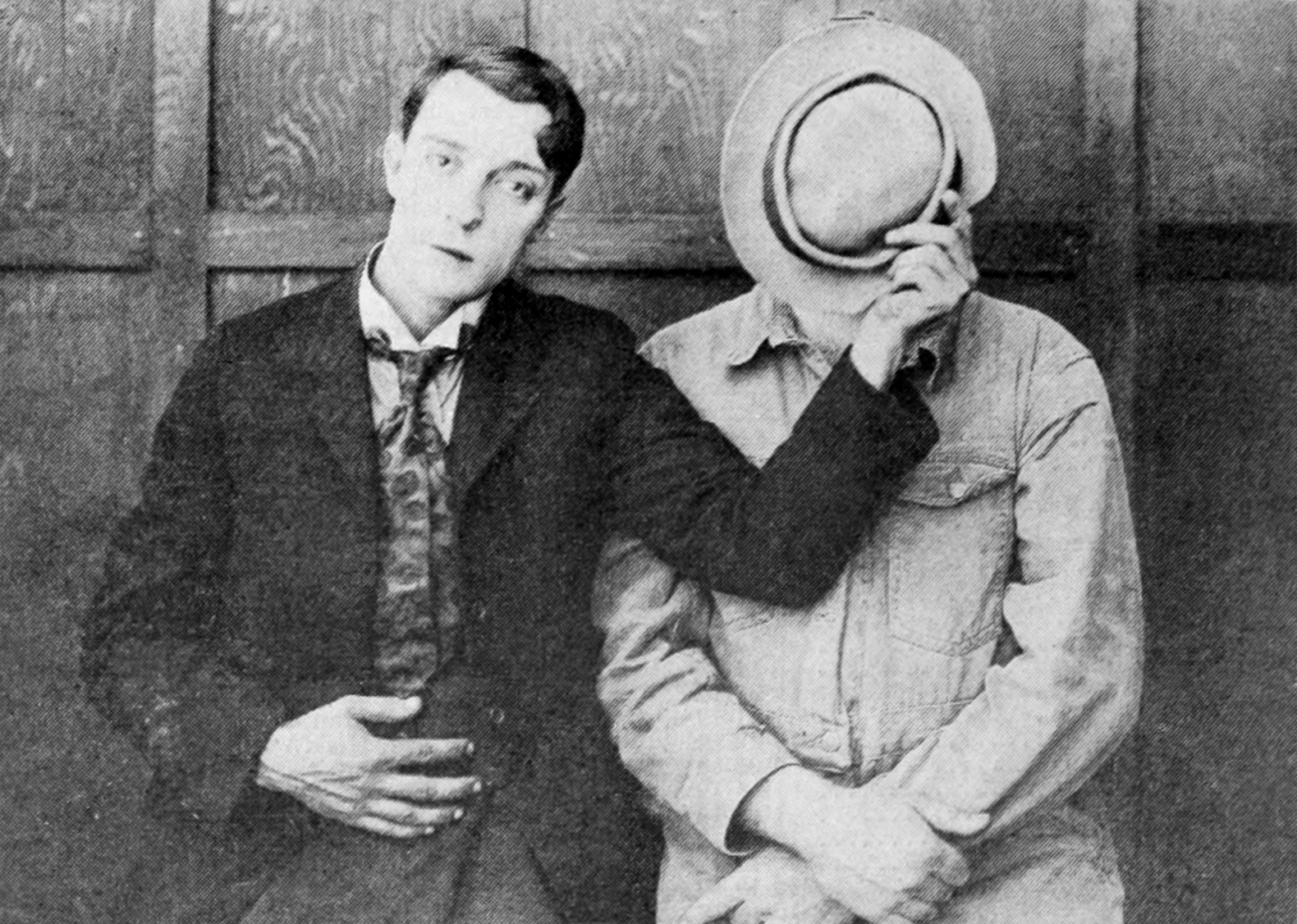
Keaton’s famously restrained expression was a deliberate contrast to the large and sometimes dangerous action around him. His films are built around spatial logic: audiences understand where the obstacles are, then watch him solve or survive them. Start with Sherlock Jr. for inventive cinematic transitions and move to The General (1926) for a much larger chase narrative. AVARIXO’s guide to The General explains its story and historical inspiration.
3. Mary Pickford: star power and control over a career
Pickford is often remembered for youthful screen roles, but that shorthand misses her wider impact as a performer and business figure. In 1919 she joined Chaplin, Douglas Fairbanks and D. W. Griffith in forming United Artists, an important attempt by major creators to control the distribution of their films. Watch how her face and timing direct sympathy, especially when a character appears vulnerable while making consequential choices.
4. Lillian Gish: fine-grained dramatic performance
Gish demonstrated that silent screen acting could be intimate, not only theatrical. Her responses often unfold through minimal changes in the face or posture. Way Down East (1920) offers an accessible example of how editing, close-ups and performance create tension together. When studying Gish’s career, take the period’s racial politics seriously; some historically important works also contain deeply harmful stereotypes and propaganda.
5. Harold Lloyd: stunts and an approachable screen personality
Lloyd cultivated a resourceful, bespectacled everyman who often finds himself in situations far beyond his control. The most recognizable image comes from Safety Last! (1923), in which the character appears to cling to a clock high above a street. The suspense works because the audience can track the dangers clearly, not simply because the stunt looks risky.
6. Rudolph Valentino: the power of the romantic close-up
Valentino helped shape early screen celebrity by combining a carefully developed romantic image with performances that generated strong audience identification. The Sheik (1921) made him one of the era’s most discussed stars. A modern reading also needs to confront the film’s exoticized and stereotyped portrayal of Arab culture rather than presenting its setting as authentic social history. See AVARIXO’s The Sheik film guide for the story and context.
7. Louise Brooks: modernity and emotional restraint
Brooks’s work in the late silent period, particularly in Pandora’s Box (1929), is notable for the apparent ease and immediacy of her expressions. Instead of broadcasting every thought, she can suggest uncertainty with a look or a small change in timing. Her films also remind viewers that important silent cinema was made far beyond Hollywood.
8. Sessue Hayakawa: an international star with a complicated legacy
Hayakawa became an internationally recognized leading actor when opportunities for Asian performers in American cinema were severely limited. The Cheat (1915) demonstrates his commanding presence but must be watched critically because the story deploys racist fears and typecasting. His career is useful evidence that silent-film stardom was global, even when the studio system restricted which roles actors could play.
How were silent movie stars famous without recorded dialogue?
Silent film was not simply theater photographed without sound. Filmmakers developed a vocabulary of shot size, cutting, gesture, camera movement and intertitles. A close-up allowed a small expression to carry the emotional weight of a scene; an insert of a letter or a clock could provide information without another speech. Many screenings featured live piano, organ, ensembles or even orchestras, so the experience was rarely literally silent.
Different genres demanded different techniques. Keaton and Lloyd needed careful physical geography to set up gags. Gish used quiet reactions for drama. Valentino’s screen image relied on framing and pauses. For the craft itself, see AVARIXO’s separate explanation of silent film acting techniques, which focuses on performance rather than the actors’ careers.
Which silent movies should you watch first?
| If you want… | Start here | What to notice |
|---|---|---|
| Comedy with emotion | The Kid | How character relationships make visual gags meaningful |
| Visual invention | Sherlock Jr. | Editing and staging that could only happen in a film |
| Suspense and spectacle | Safety Last! | Clear staging of danger and comic escalation |
| Melodrama | Way Down East | Close-ups and restrained acting |
| Late silent-era drama | Pandora’s Box | Naturalistic screen presence |
Are silent films and publicity photos public domain?
Not automatically. In the United States, many works first published before 1931 have entered the public domain as of 2026, but dates, country of origin, later footage, restorations, newly composed music and particular editions can raise separate rights questions. Do not treat a modern streaming transfer, restoration or musical score as automatically reusable just because the underlying film is old. For a practical distinction, read AVARIXO’s public-domain movies and rights guide.
FAQ
Who was the most famous silent movie star?
Charlie Chaplin remains one of the most internationally recognizable, but popularity depends on period, territory and genre. Mary Pickford, Valentino and Keaton were also major figures in different markets and years.
Were all silent film actors comedians?
No. Romantic drama, historical spectacle, melodrama and thrillers also produced major stars, including Lillian Gish, Rudolph Valentino and Sessue Hayakawa.
Did silent movies have music?
Yes. Many theaters used live accompaniment; surviving films may now be screened with later recorded music.
Which silent actor should beginners watch?
Start with Chaplin for comedy and emotion, Keaton for visual invention, or Gish for screen drama. Each teaches a different skill.
Can I freely upload a restored silent film to YouTube?
Not based solely on the original release year. Verify rights to the actual source print, music, restoration and jurisdiction before republishing.
Historical review completed October 14, 2026. Film choices are editorial recommendations, not claims about current streaming availability.

Other Articles

Anime Story 2 Codes (October 2026): Final Novel Rewards