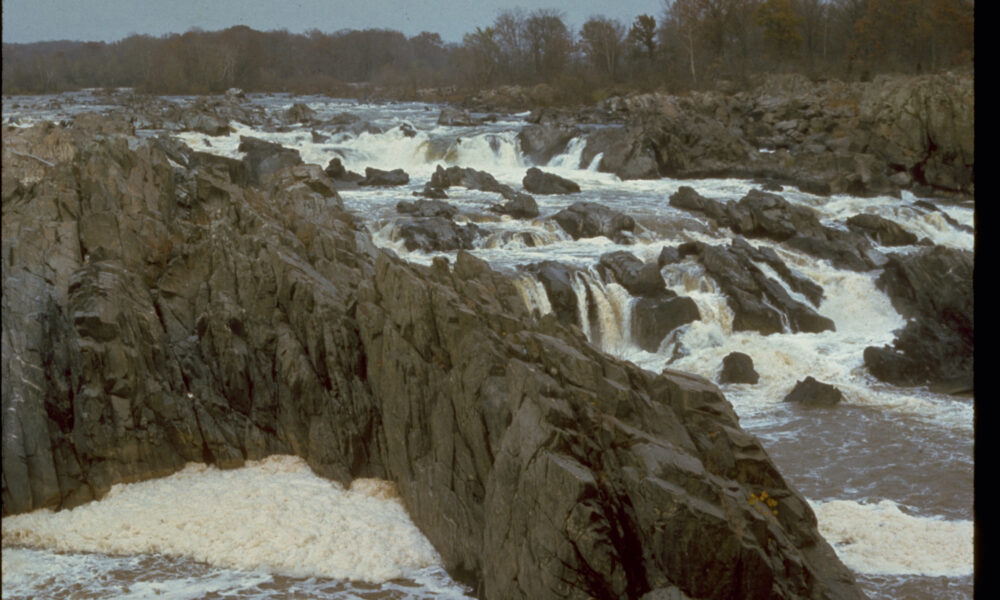

Quick answer, reviewed October 13, 2026: If you are searching for Great Falls National Park in Virginia, the place you want is officially called Great Falls Park, a National Park Service-managed 800-acre site near McLean, Virginia, about 15 miles from Washington, DC. The Virginia-side entrance leads to three close-up Potomac River overlooks, hiking trails and historic Patowmack Canal remnants. The standard entrance price currently listed by the NPS is $20 per private vehicle, valid for seven consecutive days; parking is first-come, first-served, and arriving early is important on busy weekends. The falls are spectacular, but swimming and wading are prohibited.
The official name matters: Great Falls Park is not the same entrance as the Maryland-side Great Falls Tavern area of Chesapeake and Ohio Canal National Historical Park. Both offer views of the Potomac, but their roads, trail routes and visitor experiences are different. This guide focuses on the actual Virginia entrance, current NPS fees, available overlooks, parking choices, safe trail planning and avoidable mistakes.
Great Falls Park Virginia: the essentials in one table
| Planning question | Verified answer |
|---|---|
| Official place name | Great Falls Park, a National Park Service site, Virginia |
| Location | Fairfax County near McLean, Virginia, roughly 15 miles from central Washington, DC |
| Park opening | Daily from 7:00 a.m. until 30 minutes after sunset; closed December 25 |
| Standard private vehicle entrance | $20 for vehicle and passengers, valid for 7 consecutive days |
| Walking or cycling entrance | $10 per person age 16+; under 16 free under NPS standard fee rule |
| Great Falls Park annual pass | $35; covers entrance as specified by the NPS |
| Best stop for first-time visitors | Main Visitor Center Lot, then Overlooks 1, 2 and 3 |
| Three overlooks | Within roughly 2–10 minutes’ walk of the visitor center |
| Swimming and wading | Not permitted in the Potomac at the park |
| Camping | No overnight camping in Great Falls Park |
Prices and hours above are taken from the park’s official fees and hours pages. Other passes and organized-group fees have separate rules. Before driving, check the NPS site for temporary closures, unusual weather and parking advisories, especially on holidays.
Where exactly is Great Falls Park in Virginia?
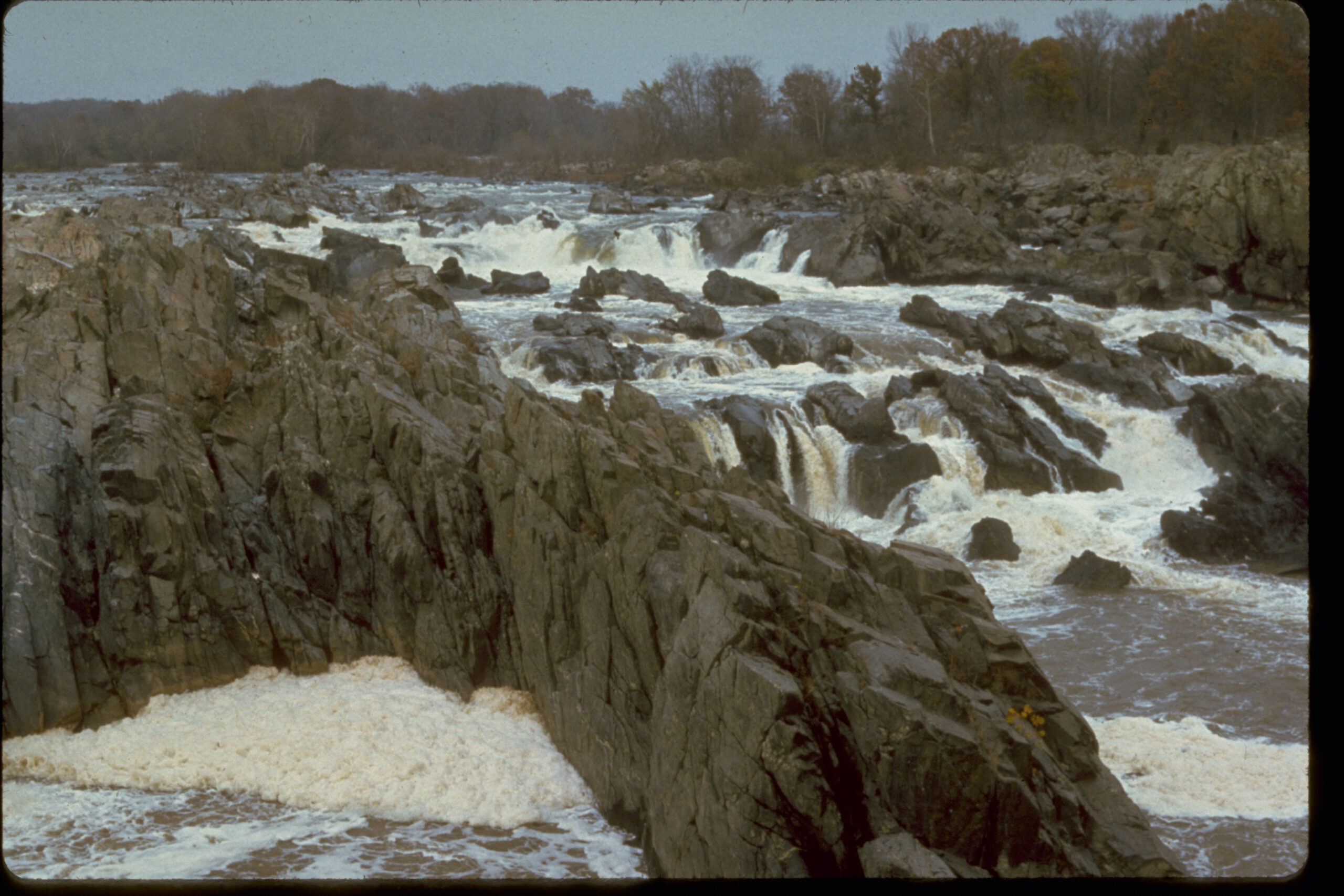
The park sits beside the Potomac River in Northern Virginia, near McLean and Great Falls, Fairfax County. The Great Falls are a series of forceful cascades over steep rock ledges as the Potomac descends toward Mather Gorge. NPS describes an 800-acre park with 15 miles of trails for walking, hiking, biking or horseback riding according to trail designation.
When searching with a map app, enter Great Falls Park, Virginia, National Park Service and confirm the selected result leads to the park’s Virginia entrance road, not the Maryland side of the river or Great Falls in another state. If you plan a multiple-stop day, build drive time into the schedule rather than assuming you can cross directly between the two overlook areas.
Is this the same thing as Great Falls National Park?
The phrase “Great Falls National Park” is common online, but the official visitor site is named Great Falls Park. It is administered by the National Park Service, yet it is not a separately designated U.S. national park in the same sense as Yellowstone or Shenandoah. Using the correct name makes official directions, entrance fee information and closure notices easier to find.
Virginia side vs Maryland side: which should you visit?
Choose Virginia’s Great Falls Park for the classic trio of nearby overlooks, the visitor center area, an accessible approach to Overlooks 2 and 3, and trails through the park’s wooded and historic areas. Choose the Maryland Great Falls Tavern/C&O Canal side if your interests include its canal towpath and the well-known Billy Goat Trail areas. They are different entrances even though they face the same river. Check Maryland-side National Park Service information separately for any trail sections or access closures.
Great Falls Park entrance fees in 2026
Several older travel articles still show outdated entrance prices. As of the NPS fee page reviewed for this article, the normal Virginia-side rates are as follows:
| Pass type | Published NPS price | Who it covers |
|---|---|---|
| Private noncommercial vehicle | $20 | One qualifying vehicle and its occupants |
| Motorcycle | $15 | Up to two private noncommercial motorcycles, within NPS rider limits |
| On foot, bicycle or horse | $10 per adult | Individuals age 16 and older; younger children enter free |
| Great Falls Park annual pass | $35 | Pass holder and eligible occupants within published pass rules |
| America the Beautiful/qualifying federal pass | Varies by pass type | Subject to eligibility and the pass’s coverage terms |
Payment is cashless at the entrance. NPS lists Visa, Mastercard, Discover and American Express and advises downloading any purchased digital entry pass before arriving because phone service is limited. A standard entrance payment is valid for seven consecutive days, including purchase day, and the NPS states the pass is also valid for the Chesapeake and Ohio Canal National Historical Park’s entrance fee. Verify special pass eligibility in advance rather than assuming a single pass covers every participant in a large tour group.
Does buying a digital pass reserve a parking spot?
No. A pre-purchased pass proves payment eligibility; it does not guarantee admission without a queue or a vacant space. The park explicitly describes parking as first-come, first-served. On busy days, the vehicle line and parking shortage remain possible even with a digital QR pass. Review the official Recreation.gov Great Falls Park site-pass rules before buying.
When is Great Falls Park open?
According to the NPS Operating Hours & Seasons page, outdoor areas including overlooks, hiking trails and picnic areas are normally open from 7:00 a.m. until 30 minutes after sunset. The park is closed on December 25. Seasonal sunrise/sunset changes mean closing time is not a fixed clock hour year-round.
Individual services have shorter hours: the current NPS page lists the visitor-center courtyard bathrooms generally from 8:30 a.m. to 4:00 p.m., with brief cleaning closures. The seasonal snack bar typically operates weekends around noon to 5 p.m., and services may change or close. Arrive prepared with water and do not plan your visit around an unverified restaurant or a promised restroom schedule.
Best time to visit to avoid parking lines
In warmer months and on weekends, the NPS warns that the parking areas fill quickly. Visit near the 7 a.m. opening or later in the day with enough sunlight left to walk safely. Midday weekend queues can be significant; the visitor center area may be busy even in nice fall weather. There is no way to guarantee a quiet time, and buying a pass early is not a parking reservation.
Where should you park? The three lots compared
The park has three primary parking areas described in its official Getting Around guide (updated April 27, 2026). Choose based on the location you want to reach, not just the first empty space.
| Parking lot | Total spaces listed by NPS | Best for | Walking/accessibility considerations |
|---|---|---|---|
| Main Visitor Center Lot | 253 | First-time visitors, visitor center and falls overlooks | Has a curb cut and paved sidewalk to the visitor center; closest to Overlooks 1–3 |
| Lower Parking Lot | 95 | South picnic area and downstream walks | About a quarter-mile of flat gravel trail to the visitor center; NPS lists designated accessible spaces |
| Upper Parking Lot | 167 | Patowmack Canal Trail and North River Trail | No designated accessible parking and no connecting sidewalk to the visitor center listed |
These NPS numbers add up to 515 listed parking spaces, but actual availability can be affected by closures and operational conditions. The upper lot is not a convenient shortcut for someone who needs an accessible route to the overlooks. Driving is limited to the entrance road and parking lots; vehicles cannot drive onto trails or into the picnic area.
How to see the waterfalls: Overlooks 1, 2 and 3
A first-time visit can be brief without being rushed: park at the main lot, walk to the visitor center area, then stop at the overlooks that suit your comfort level. The NPS lists all three overlooks within a two- to ten-minute walk of the visitor center. You cannot view the falls directly from inside a car.
Overlook 1: dramatic close-up rock scenery
The first overlook offers a strong sense of the water breaking around the rock formations. Paths near the river can include uneven and potentially slippery surfaces, particularly after rain. Use designated viewpoints and avoid stepping onto exposed rocks for a better photo. If the path is wet, crowded or uncomfortable, moving on to a more accessible overlook is an entirely reasonable choice.
Overlook 2: accessible waterfall viewing
NPS lists Overlook 2 as fully accessible and close to the visitor center. It is a practical first choice for people who prefer a more accessible approach while still getting a direct view of the rapids. Accessibility needs vary, so review conditions on the day of travel, especially during repairs or high-water periods.
Overlook 3: wider vista and accessible approach
NPS also lists Overlook 3 as fully accessible. It provides a different perspective on the river and the rocky channel, useful for comparing the waterfall sections and photographing the broader gorge. Take time to observe rather than focusing only on completing all three stops.
How long does the overlook walk take?
For the overlook-only section, many visitors can see several viewpoints within roughly half an hour to an hour, depending on crowding, mobility and time spent taking photos. That is a suggested planning allowance, not an official timed itinerary or an accessibility guarantee. Add time for the entrance queue, parking, restrooms, hiking and picnics.
Best hikes and walking routes from the Virginia entrance
Great Falls Park has 15 miles of designated routes across varied terrain, but a “best” trail depends on your group’s stamina and whether you want river views, historical features or a quieter woodland experience. Bring a current NPS trail map and look for posted closures before selecting a route.
River Trail: views into Mather Gorge
The River Trail follows part of the Potomac corridor and provides scenic cliff-top perspectives beyond the short visitor-center overlooks. Sections can be rocky and uneven, with steep drop-offs. This is not a swimming route and is not an appropriate place to scramble down to the river. Stay on established trails and give children close supervision near edges.
Patowmack Canal Trail: an accessible historical theme, not the same as C&O Canal
This route introduces elements of the historic Patowmack Canal, an early attempt to improve navigation around the river’s falls. The older Patowmack Canal history belongs to the Virginia-side park; do not confuse its remnants with the better-known later Chesapeake & Ohio Canal towpath on the Maryland side. The NPS upper parking lot provides access to the Patowmack Canal Trail.
North River Trail and other woodland options
For people who want more than overlooks, the North River Trail and other marked routes offer a longer visit. Trail surface and access vary; bring walking shoes with traction, water, weather protection and enough daylight. If you need step-free options, do not infer from the word “trail” that the full route is accessible. The NPS lists an accessible approach specifically for Overlooks 2 and 3, not every mile in the park.
Suggested first visit: one hour, two hours or half a day
| Available time | Practical plan | Who it suits |
|---|---|---|
| About 1 hour on site | Main lot, visitor center area, accessible overlooks, photos | Travelers with tight schedules |
| About 2 hours | All three overlooks plus a short historic or river-area walk | Most first-time day trippers |
| Half a day | Overlooks, picnic break and a longer designated trail | Hikers and visitors exploring the park history |
These are editorial planning suggestions; the NPS does not promise fixed hike times. Add extra travel margin if you arrive in the midday weekend queue.
Water safety: the most important rule
The Potomac looks tempting from high viewpoints, but the water near Great Falls has fast currents, irregular rock drops, submerged hazards and potentially dangerous cold-water or high-water conditions. No swimming or wading is allowed in the park. Do not enter the water for photos, shortcuts or recovery of belongings. Stay behind posted barriers and well back from wet cliff edges.
High river flow can make falls especially dramatic while making shoreline conditions more hazardous. Rain and flooding can change trail safety even when skies seem clear at the time you arrive. Refer to park alerts and signs; if an area is closed, choose another overlook rather than bypassing the closure. Carry a charged phone, but do not rely on full cellular service in the gorge.
Can children and pets visit?
Families can enjoy the visitor center area and overlooks, but hold children close near the river and steep terrain. The NPS permits pets under its posted rules; check current leash and trail restrictions before visiting and keep animals away from the water and dangerous cliffs. Always carry out litter and dispose of waste properly. Do not treat a picnic area as permission to approach the river.
What to bring for a comfortable day trip
- Entry payment or a downloaded pass: cash is not accepted, and NPS warns that phone signal can be weak.
- Grippy walking shoes: gravel, rocks, uneven paths and slippery surfaces are common away from paved approaches.
- Water, snacks and sun protection: the park is not a full-service amusement area.
- Weather-appropriate outer layer: wind near the overlook and shade in the woods can feel different from downtown DC.
- Trail map and charged phone: download the map for offline reference where possible.
- Patience with weekend access: the main parking lot can fill, and a paid pass does not bypass the entrance queue.
If accessibility is a primary concern, use the main lot and designated approaches to Overlooks 2 and 3. The official parking/accessibility information is more reliable than an older third-party blog’s broad claim that “all trails are easy.”
Great Falls Park vs other waterfall trips: plan realistically
Great Falls is particularly well suited to a day trip from Washington, DC or Northern Virginia because the waterfall viewpoints are near a single visitor area. It is not a remote backcountry park with overnight campsites, and its primary draw is the short, powerful series of Potomac cascades. If you are building a longer national-park itinerary, our Multnomah Falls visitor guide and Cumberland Island trip-planning guide explain very different fee, transport and trail conditions. Check each place’s own official details rather than assuming National Park Service facilities operate identically.
Frequently asked questions
Is Great Falls National Park in Virginia a real name?
It is a common search phrase, but the NPS calls the location Great Falls Park. It is a federally managed national park site in Virginia, not a standalone park officially named “Great Falls National Park.”
How much is admission to Great Falls Park?
As of the NPS fee page checked October 13, 2026, standard admission is $20 for one private noncommercial vehicle, $15 for the specified motorcycle permit, or $10 per eligible adult entering on foot/bike/horse. Special federal passes and group rules can change the amount owed.
Can I park without waiting if I bought a digital pass?
No. A pre-purchased digital pass does not reserve parking or guarantee entry without a queue. Parking remains first-come, first-served.
What hours is Great Falls Park open?
Normally 7 a.m. until 30 minutes after sunset, closed on December 25. Individual facilities can have shorter hours and temporary maintenance closures.
How long should I spend at Great Falls Park?
Allow about one to two hours for a first visit that includes several overlooks, with longer time if you plan to hike or picnic. Add time for weekend vehicle queues; this is an editorial planning estimate, not a park-mandated tour duration.
Which overlook is accessible?
NPS says Overlooks 2 and 3 are fully accessible. The main visitor center parking lot connects to the visitor center by a curb cut and paved sidewalk.
Can you swim in the Potomac at Great Falls?
No. Swimming and wading are prohibited. Dangerous currents, submerged rocks and sudden changes in water levels make the river hazardous.
Is the Maryland Great Falls entrance the same as the Virginia one?
No. The opposite-bank Maryland area is part of the Chesapeake and Ohio Canal National Historical Park. Follow directions to the correct entrance; do not expect a simple footbridge across the river at the falls.
Can you camp overnight at Great Falls Park?
No, the Virginia Great Falls Park is a day-use destination without overnight camping. Plan accommodation elsewhere if you are traveling from outside the DC region.
Official sources and review date
National Park Service — Great Falls Park (overview, Virginia location, trails); Entrance Fees & Passes (2026 rates and payment rules); Hours & Seasons (opening/closing, restroom, seasonal services); Getting Around (three lot capacities, overlooks and accessibility); Recreation.gov — Great Falls Park digital passes. Editorial verification October 13, 2026. Check NPS alerts before travel because fees, closures and operating conditions may change.

Other Articles