Quick answer: Wings (1927) is an American silent drama directed by William A. Wellman, starring Clara Bow, Charles “Buddy” Rogers and Richard Arlen. It follows two World War I pilots whose competition for a woman becomes a lasting friendship. Released in August 1927, it went on to receive the top award at the first Academy Awards ceremony in 1929. Its tragic ending turns a story of rivalry into one about grief, forgiveness and the cost of war.
Wings (1927) movie facts
| Detail | Information |
|---|---|
| Original title | Wings |
| First release | August 12, 1927 |
| Director | William A. Wellman |
| Principal stars | Clara Bow, Charles “Buddy” Rogers, Richard Arlen |
| Supporting performer | Gary Cooper as Cadet White, in a brief appearance |
| Genre | Silent war drama, aviation, romance |
| Runtime | 139 minutes in the version described by the AFI Catalog; editions vary |
| Academy Awards | Outstanding Picture at the first ceremony in 1929; also recognized for engineering effects |
| Original film’s U.S. copyright status | Public domain in the United States; modern scores and editions may have separate protected elements |
The American Film Institute’s film catalog identifies the original date, principal cast, director and release history. The Academy’s official record of the first ceremony confirms the award.
What is Wings (1927) about?
The story opens with Jack Powell, a young man fascinated by flying, and David Armstrong, who comes from a wealthier family. They are drawn into a personal rivalry over Sylvia Lewis. Meanwhile, the person who genuinely loves Jack is Mary Preston, the outgoing neighbor played by Clara Bow. Jack does not immediately recognize what is right in front of him.
When the United States enters World War I, Jack and David train as pilots. The men initially quarrel, but their shared experiences change the relationship. The film spends time on both the intimate emotional consequences of their friendship and the immense, dangerous spectacle of military aviation. This alternating scale—human faces, then wide skies—is central to why the film remains memorable.
Who plays whom?
| Actor | Character | Story role |
|---|---|---|
| Charles “Buddy” Rogers | Jack Powell | Enthusiastic pilot whose mistaken belief leads to tragedy |
| Richard Arlen | David Armstrong | Jack’s rival and later close friend |
| Clara Bow | Mary Preston | Jack’s loyal neighbor, who loves him |
| Jobyna Ralston | Sylvia Lewis | The woman admired by Jack and David |
| Gary Cooper | Cadet White | A brief but notable supporting appearance |
Wings (1927) ending explained (major spoilers)
David dies, but not in the way Jack initially thinks. During the final aerial fighting, David is brought down and believed lost. In fact, he survives and takes a German aircraft to try to get back. Jack encounters that plane, sees an apparent enemy rather than his friend, and attacks it. Only after the plane goes down does Jack discover who was inside.
The scene devastates Jack. David forgives him before he dies, recognizing that Jack did not know his identity. Later, Jack faces David’s grieving parents, returning his friend’s effects and asking for forgiveness. They place the blame on the catastrophe of war rather than on a friend’s deliberate cruelty.
The story ultimately brings Jack back to Mary. This resolution does not erase David’s death. Instead, it shows how Jack has changed: what once looked like an uncomplicated quest for heroism is now bound to grief, responsibility and a more mature understanding of love.
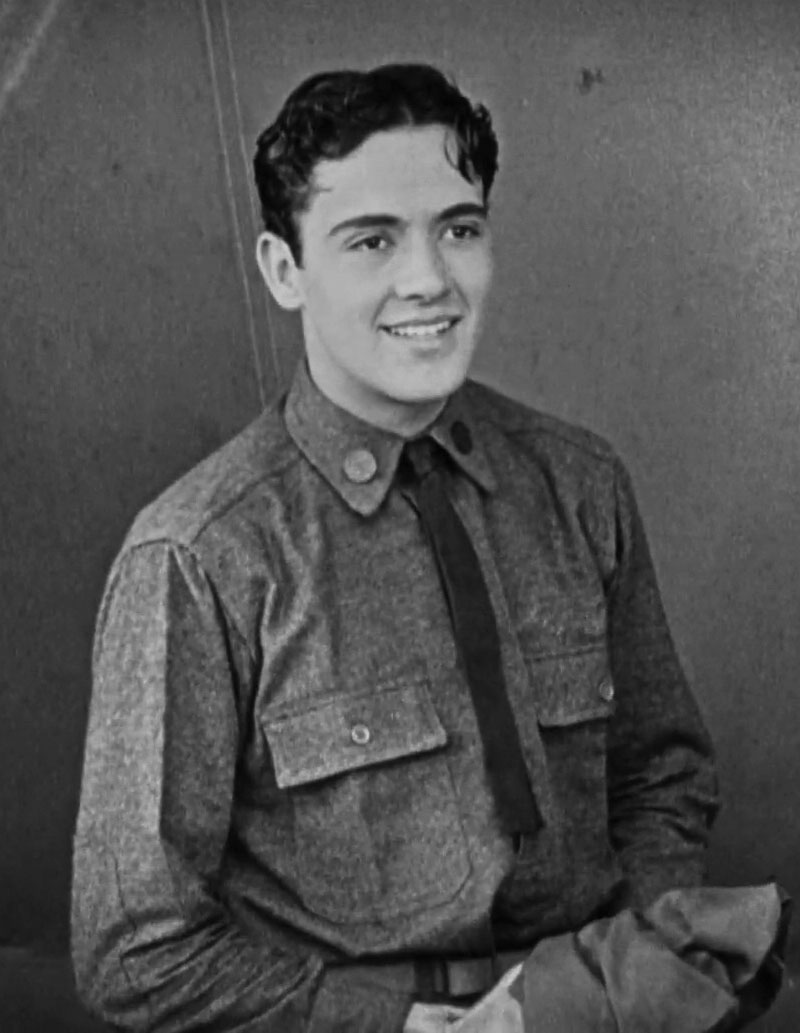
Why did Wings win the first Best Picture Oscar?
The first Academy Awards ceremony took place in May 1929 and honored achievements from the early years of the film industry. The top category was then called Outstanding Picture, rather than using today’s familiar Best Picture name. Wings won it. Calling the film “the first Best Picture winner” is therefore a convenient modern description, but the historical category name is worth remembering.
That distinction alone does not explain the film’s reputation. Wellman had personal aviation experience, and the production devoted remarkable effort to flight photography. Instead of relying entirely on models or stage-bound scenes, the filmmakers coordinated real aircraft and pilots. The aerial sequences convey motion, scale and distance in ways that still read clearly without spoken dialogue.
The American Film Institute records extensive assistance from military aviation personnel during production and identifies a separate special award for engineering effects. It also notes that the film was first previewed and distributed in different versions; its early run was not necessarily identical to a modern restoration.
How historically accurate is Wings?
The film uses the setting, technology and danger of World War I aviation, but it is a fictional drama. Jack, David, Mary and Sylvia are story characters, not a documentary account of one confirmed wartime incident. The aircraft and flight photography lend the images unusual material authenticity; the emotional coincidences—especially the mistaken identity at the end—are melodramatic inventions.
A productive way to watch the movie is to separate three layers: its real 1920s production techniques, its imagined World War I relationships, and the period’s views about heroism and sacrifice. Each tells a different kind of historical story. The film is especially revealing as a 1927 popular depiction of the earlier war, rather than a neutral record of events in 1918.
Is the original Wings movie public domain in the United States?
Yes, the original 1927 motion picture is in the U.S. public domain. Publication before January 1, 1931 places the original film past the relevant U.S. copyright term by 2026. However, do not assume every upload, modern edition, new music score, commentary track, promotional package or newly created artwork is automatically free to reproduce. The copyright status of the historic moving images is a different question from the licensing of added material.
For a fuller introduction to vintage cinema, see our explanation of Buster Keaton’s The General (1926) and our guide to The Sheik (1921). Both cover distinct silent-era films; they are not alternative titles for Wings.
Where can you watch Wings?
Check legitimate film archives, distributors or streaming services for availability in your country. The original historic film is available in public-domain repositories, including a full-film entry in Wikimedia Commons. Availability and presentation quality can vary. If you care about the experience, compare runtime, image condition, tinting and soundtrack rather than picking a copy solely because it is free.
Frequently asked questions about Wings (1927)
Is Wings a silent film?
Yes. It premiered in the silent era, using visual storytelling and intertitles. Some later releases and restorations have accompanying music or sound effects, which does not make the original a conventional spoken-dialogue sound film.
Does Gary Cooper star in Wings?
He appears briefly as Cadet White, but the principal story centers on Charles “Buddy” Rogers, Richard Arlen and Clara Bow.
Who dies at the end of Wings?
David Armstrong dies after Jack shoots down an aircraft without realizing his friend is flying it. David forgives Jack before his death.
Did Wings win an Oscar in 1927 or 1929?
It was first released in 1927 and recognized at the first Academy Awards ceremony held in 1929. The two years refer to different events.
Is Wings based on a true story?
No verified single historical incident forms the exact plot. It draws on the real setting of World War I aviation and uses authentic flight imagery, but Jack and David’s personal story is fictional.
Further reading: the AFI Catalog entry for Wings and the Academy Awards record for 1929.