
The best Minecraft build ideas are projects you can finish in the world you already have. If you are starting a new Survival save, try a compact starter cabin, a fenced crop garden or a storage shed. If you already have iron and a reliable food supply, build a bridge, harbor, watchtower or small village. Advanced players can connect those structures into a town or turn a cliff into a multi-level base.
Below are 20 distinct Minecraft building projects, organized by effort and purpose. The footprint sizes are suggested starting dimensions, not official recipes or tested block counts. You can scale each design for Java or Bedrock Edition and for your own biome.
Quick picker: what should you build next?
| Build idea | Suggested footprint | Effort | Best reason to build it |
|---|---|---|---|
| Starter cabin | 7×9 blocks | Easy | Safe bed and crafting area |
| Crop garden | 9×9 blocks | Easy | Reliable food |
| Storage barn | 9×13 blocks | Easy | Organize materials |
| Fishing dock | 5×11 blocks | Easy | Waterfront access |
| Bridge | 3 blocks wide | Easy–medium | Safer travel |
| Watchtower | 5×5 blocks | Medium | Navigation landmark |
| Greenhouse | 9×11 blocks | Medium | Decorative farming area |
| Mine entrance | 7×7 blocks | Easy | Protect a mining route |
| Animal stable | 9×13 blocks | Medium | House livestock |
| Windmill | 7×7 blocks | Medium | Village skyline |
| Library | 11×11 blocks | Medium | Enchanting room and books |
| Market square | 15×15 blocks | Medium | Connect village buildings |
| Cliffside base | Flexible | Medium–hard | Use dramatic terrain |
| Treehouse | 7×7 platform | Medium | Forest-themed home |
| Harbor warehouse | 11×15 blocks | Medium | Waterfront storage |
| Nether portal shrine | 9×11 blocks | Medium | Memorable portal entrance |
| Underground bunker | 11×11 blocks | Medium | Hidden compact base |
| Small castle | 21×21 blocks | Hard | Defensible landmark |
| Mountain village | Several terraces | Hard | Long-term settlement |
| Rail station | 13×17 blocks | Hard | Connect distant projects |
Easy Minecraft build ideas for a new Survival world
1. Starter cabin with a real storage plan
Mark a 7×9 rectangle, then divide it into a sleeping corner, crafting wall and chest wall. Build the first version with logs, planks and cobblestone so you can finish before night. Add a one-block roof overhang and a second material around the doorway for depth. The useful design decision is leaving an empty wall for future furnaces and extra storage rather than filling every space with decoration.
2. A 9×9 crop garden
Place water where it can hydrate the farmland and leave paths so you can reach crops without trampling them. A simple fence or wall helps keep the area organized. Add a nearby chest for seeds and harvested food. You can later expand this into several plots for different crops instead of redesigning the original patch.
3. A labeled storage barn
Build a 9×13 barn with a center aisle and rows of chests or barrels. Use signs or item frames to separate stone, wood, food, ores and exploration supplies. Keep the most-used materials near the entrance. Make the roof higher than your starter house so the barn reads as a distinct building, even if both use the same wood.
4. A small fishing dock
Run a narrow boardwalk into a lake or ocean, supported by fence posts or logs. Add a roofed seat, lanterns and a barrel. For an attractive silhouette, extend the final platform wider than the walkway. This is a fast project that also makes it easier to find your shoreline base from the water.
5. A bridge that follows the landscape
Start with a three-block-wide crossing so you can walk comfortably. Add rails or walls where a fall would be dangerous, and repeat support posts at regular intervals. A flat bridge suits a narrow stream; a gentle arch looks better across a larger valley. Do not use an enormous suspension bridge for a five-block gap.
6. A protected mine entrance
Build a small stone or deepslate gate around your staircase or shaft. Include lighting, a chest for spare tools and a visible route marker. A tidy entrance saves time when you return with a full inventory and helps distinguish the main mine from accidental cave openings.
Medium Minecraft builds that improve a growing base
7. Watchtower with a distinct roof
A 5×5 base can support a compact tower if you plan the ladder or staircase early. Make the lower level sturdy and the upper lookout slightly wider. Add windows in the directions you actually travel. Use the tower as a landmark visible from farms, bridges and paths rather than as an isolated decoration.
8. Greenhouse with alternating wall textures
Combine glass with wood, stone or another framing material. A 9×11 footprint leaves space for several planting rows and a central path. Instead of making every wall solid glass, use structural columns to create rhythm. It works especially well near a cottage or market district.
9. Animal stable with separated pens
Build a central walkway and pens on either side. Plan entrances that make it easy to move animals without releasing every pen at once. Keep storage for feed and breeding items near the gate. A high, sloping roof and occasional hay bales create the look of a stable without requiring rare materials.
10. Windmill on a small hill
Begin with a square tower, then add a wider upper room and contrasting blades. The windmill does not have to contain a working mechanical system to be useful visually: it can hold a small storage room, map wall or crafting space. Place it on a rise where its silhouette is visible from your settlement.
11. Library and enchanting room
Build an 11×11 hall with bookcases, reading tables and a dedicated enchanting corner. If you intend to use the enchanting table for maximum-level offers, remember that functional bookshelf placement matters; purely decorative arrangements may not count. See our enchanting table and 15-bookshelf guide for the actual layout rules.
12. Market square with small stalls
Lay out a 15×15 paved area and reserve the center for a fountain, tree or meeting point. Place three or four stalls around the edge, varying awning colors but keeping support posts consistent. The square can become a junction between farms, homes and the storage barn. Leave room for paths to extend outward.
13. Cliffside base with terraces
Use the natural slope rather than flattening the entire mountain. Carve a main entrance at ground level, connect rooms with stairs and add balconies facing the view. Build a safe exterior path before expanding. The result can feel much larger than a flat base even when each interior room is compact.
14. Forest treehouse
Choose a large tree or group of trees and plan a platform around the trunks. Support it visually with logs and braces, then add a rope-bridge-style walkway made from blocks, fences and trapdoors. Keep lighting and safe railings in mind. If the platform feels too small, add a second nearby platform rather than making the first one unnaturally wide.
15. Harbor warehouse
A waterfront warehouse can tie your fishing dock to a boat route. Use a broad door facing the water, crates represented by barrels, and a tall roofline. Repeat the dock’s wood type for cohesion, then add a darker foundation so the warehouse does not look like a second starter house.
16. Nether portal shrine
Give your Nether portal a dedicated courtyard with safe lighting and clear paths. A stone arch, ruined-temple theme or overgrown garden can make a familiar utility block feel like a landmark. Keep flammable decorations away from hazards and leave enough room to approach the portal safely.
17. Underground bunker
Start with an 11×11 room below a discreet entrance, then divide it into storage, sleeping and crafting areas. Use changes in ceiling height and floor material so the bunker does not become one featureless box. Add a second wayfinding marker near the surface so you can locate it after exploring.
Large Minecraft build ideas for long-term worlds
18. Small castle with a practical courtyard
Before placing walls, mark a roughly 21×21 footprint and reserve space for a gate, courtyard and central keep. Build the walls in sections so the project is usable while unfinished. Repeat the same battlement pattern across towers. For a more detailed floor-by-floor approach, read our small survival castle guide.
19. Mountain village connected by stairs
Build three or four modest houses on separate terraces instead of one enormous structure. Link them with paths, stairways and short retaining walls. Repeat a small palette of roofing and foundation blocks while varying each home’s footprint. A village feels convincing when the paths connect places players actually need to visit.
20. Rail station and transport hub
Choose a location where several routes naturally meet. Build a covered platform, ticket-hall-style entrance and a visible destination sign. Connect the tracks to a mine, village or remote biome. You can start with a single line and expand later, which makes this a better survival project than planning a huge empty station on day one.
Choose a block palette before you start
A simple design rule is to pick one main block family, one structural contrast and one accent. For example, spruce planks with stone bricks and copper details suit a rustic town; sandstone with stripped wood works for a warm desert settlement; deepslate with dark wood suits a cliffside fortress. The exact materials are creative choices, not requirements.
Too many unrelated blocks can make a small build look noisy. If your house feels flat, try depth first: overhangs, recessed windows, columns and roof edges. You do not need ten colors to create an interesting facade. Our Minecraft block palette examples show combinations you can adapt.
A practical build order that prevents abandoned projects
- Pick one purpose. Decide whether the build should improve storage, travel, farming or appearance.
- Mark the footprint. Outline the ground with cheap blocks before collecting rare materials.
- Test the entrance and paths. Make sure you can move through the space with doors, stairs and chests in place.
- Finish the silhouette. Build the main walls and roof before decorating interiors.
- Add utility. Install lighting, crafting stations and storage where they make sense.
- Detail in layers. Add trim, windows, landscaping and small props last.
For larger builds, divide the project into sections you can complete in one play session. Finishing a gatehouse today and a tower tomorrow is more satisfying than leaving a giant empty rectangle for weeks.
How to make different buildings feel like one town
Use the same path material, repeat one accent color and keep a recognizable roof style across nearby buildings. Vary heights and footprints so everything is not identical. Give the village a reason to exist: farms near water, a warehouse near docks, a market near the main road and a watchtower on high ground. A Minecraft map can help plan connections when your settlement expands beyond one screen.
Common building mistakes and easy fixes
| Problem | Better approach |
|---|---|
| Every building is a plain rectangle | Add a small porch, side room or roof overhang |
| The roof feels too heavy | Reduce overhangs or use a lighter roof material |
| The village feels empty | Connect structures with paths, fences and lighting |
| Materials run out halfway through | Complete one section and collect supplies for the next |
| Decorations block movement | Keep the main path and functional workstations accessible |
| The project never gets finished | Choose a smaller footprint or build in complete stages |
Frequently asked questions
What should I build first in Minecraft Survival?
A safe shelter, food source and storage area are useful first projects. Choose a small footprint that you can complete with nearby materials.
What are good Minecraft build ideas when you are bored?
Try connecting existing builds with a bridge, adding a market square, upgrading your mine entrance or creating a themed district. Projects that improve an existing world often feel more rewarding than starting another isolated house.
What can I build without rare blocks?
Cabins, barns, docks, bridges and watchtowers work with common wood and stone. Strong silhouettes and consistent materials matter more than expensive blocks.
Are these exact Minecraft blueprints?
No. The suggested dimensions are planning examples, not tested schematics. Adjust them for terrain, inventory and edition.
How can I build better-looking houses?
Start with a readable shape, then add a second depth layer, a coherent block palette and paths that connect the house to its surroundings.
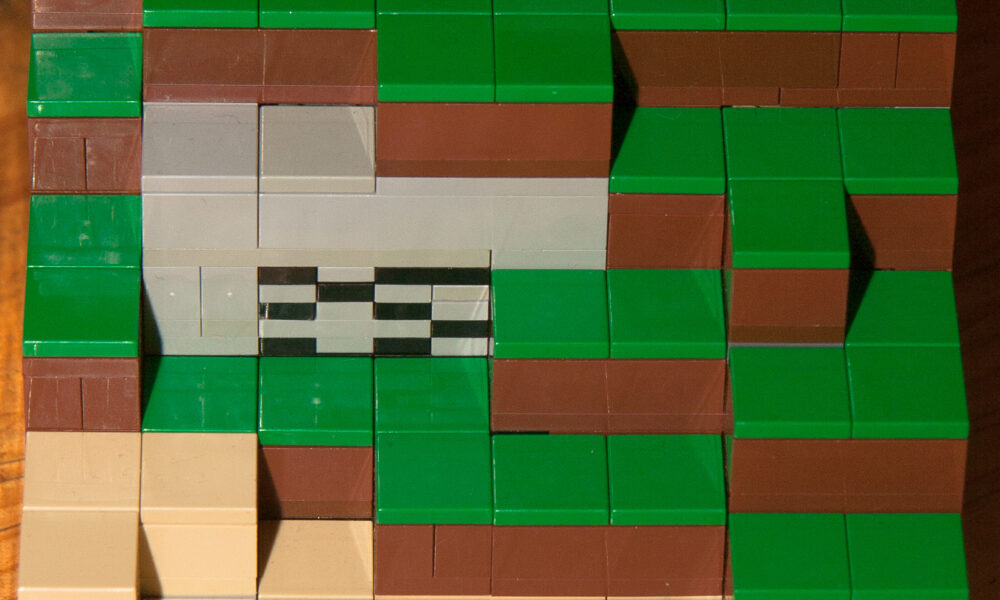
Image credit: The featured image shows a physical Minecraft-inspired LEGO construction, not an in-game screenshot. Photograph by Tim Moreillon, licensed CC BY-SA 2.0, via Wikimedia Commons. The build concepts, dimensions and planning advice above are original editorial suggestions rather than official Mojang blueprints.

Other Articles