
Quick answer (updated October 13, 2026): Organ Pipe Cactus National Monument is a remote Sonoran Desert preserve south of Ajo, Arizona. The monument is open around the clock, but its Kris Eggle Visitor Center has seasonal hours. A seven-day private-vehicle pass costs $25, and the 21-mile Ajo Mountain Drive is the classic first visit. Crucially, some border-area roads were under temporary closure notices in 2026, so check the National Park Service’s current alerts and conditions immediately before departing.
The best approach is to pick a drive or hike that fits your time and desert experience, then plan backward from heat, daylight and road conditions. This guide separates year-round facts from details that can change on the day of a visit.
Organ Pipe Cactus National Monument at a glance
| Question | Practical answer |
|---|---|
| Where is it? | On Arizona Highway 85 near the U.S.–Mexico border, about 25 miles south of Why, Arizona; the visitor center address is 10 Organ Pipe Drive, Ajo, AZ 85321. |
| Monument opening hours | Open 24 hours a day, year-round; individual roads can close. |
| Visitor center hours | May 1–October 31: 8 a.m.–4 p.m. daily. November 1–April 30: 9 a.m.–5 p.m. daily, with holiday exceptions. |
| Entrance fees | $25 private vehicle, $20 motorcycle or $15 pedestrian/cyclist aged 16 or older; standard entry lasts seven days. |
| Cash accepted? | No. The park operates cashless fee collection. |
| Signature experience | 21-mile, one-way Ajo Mountain Drive, usually about two hours without hikes. |
| Most comfortable season | Typically winter through early spring; summer desert temperatures can exceed 100°F. |
These details come from the National Park Service’s fee schedule, hours information and basic visitor information. Verify fee and schedule changes before traveling.
What makes Organ Pipe different from other Arizona desert parks?
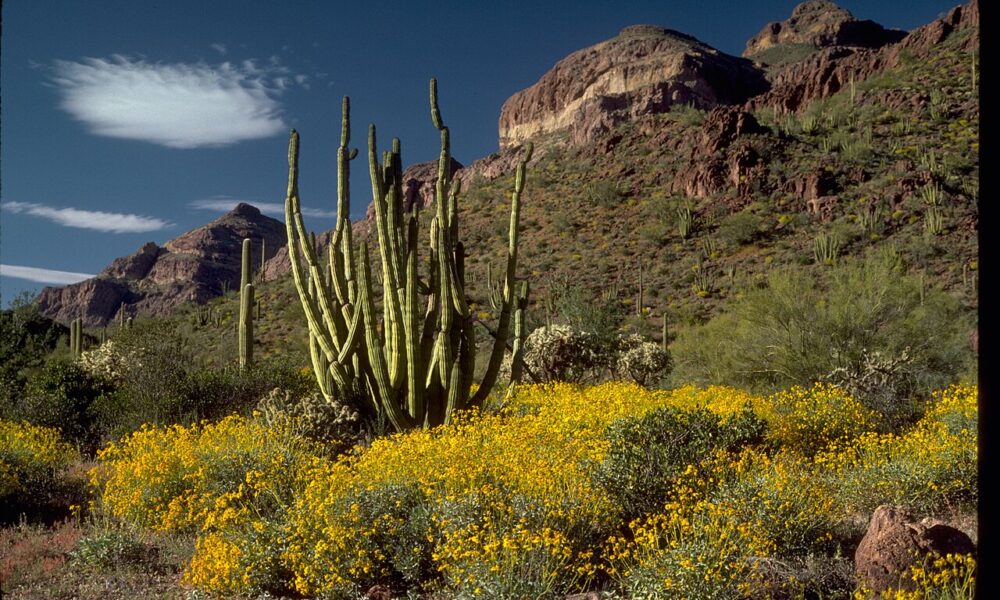
The monument protects a broad sweep of Sonoran Desert habitat, including stands of the many-armed organ pipe cactus (Stenocereus thurberi) alongside saguaros, cholla and other desert plants. Organ pipe cacti have numerous upright stems branching from a base; the towering single-trunk-and-branch silhouette familiar from postcards more often belongs to the saguaro. Seeing both in one landscape helps visitors learn the difference.
Unlike a quick roadside cactus stop, this destination rewards time spent in remote desert canyons. You can stay largely in the car, take a short accessible walk near the visitor center, or attempt a more challenging mountain trail. The isolation is part of the appeal, but also explains the need for extra water, a reliable vehicle and an offline map.
Entry fees, passes and camping prices in 2026
| Admission or overnight option | Listed amount | Important detail |
|---|---|---|
| Private car | $25 | Covers occupants of a noncommercial vehicle for seven days. |
| Motorcycle | $20 | Seven-day entry; see park policy for limits on motorcycles/passengers. |
| Individual on foot or bicycle | $15 | Seven-day entry for people aged 16 and older. |
| Organ Pipe annual park pass | $45 | Valid for one year at this monument. |
| Twin Peaks Campground | $20 per night | Established campground with tent and RV options. |
| Alamo Canyon Campground | $16 per night | Primitive, tent-only campground. |
| Backcountry camping | $5 per permit | Permit valid for seven days; rules and closure areas apply. |
America the Beautiful passes can cover standard entry when eligible. Camping charges are separate from standard entry, and campsite availability changes. The National Park Service directs campers to Recreation.gov for reservations. Do not assume an open campsite without checking. Fees above reflect the official fee page available at the October 2026 review.
The Ajo Mountain Drive: the best first-time route
The Ajo Mountain Drive is a 21-mile (34-km) scenic loop with dirt and graded sections. It becomes one-way after the first mile, so it is not a route to begin casually if you are short on time or fuel. The NPS estimates roughly two hours for the drive itself; allow more if you stop for photographs, picnic areas or a hike.
Vehicle rules and road reality
The route is generally designed for a carefully driven passenger car in suitable conditions. Trailers, buses and RVs over 25 feet are prohibited. Mud, flooding or maintenance can change access unexpectedly. If heavy rain is possible, ask rangers whether the route is suitable for your vehicle; never attempt to cross a flooded wash. The drive offers viewpoints and trailheads, but no drinking water along its length.
What to do along the drive
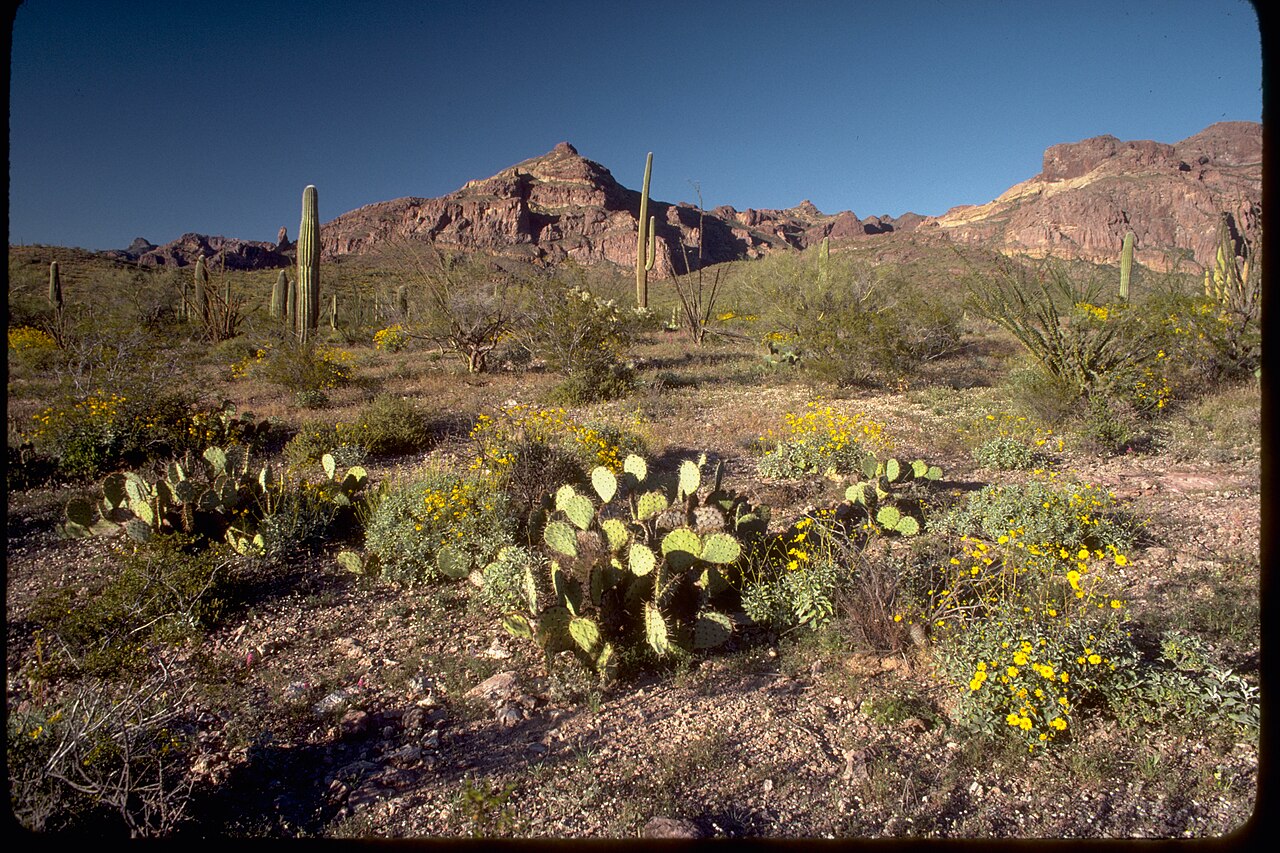
Pick up the self-guided drive booklet from the visitor center or use the NPS app before entering an area with weak signal. Stop to compare organ pipes with saguaros, watch for shifting desert vegetation and decide whether you have enough daylight for the Estes Canyon trailhead. The drive itself is a worthwhile outing if hiking in extreme heat would be unsafe.
Which hike should you choose?
Organ Pipe has short, approachable paths as well as exposed backcountry trails. Distances below follow the park’s published hiking guide; track conditions, temperatures and personal ability matter as much as mileage.
| Trail | Approximate round trip | Best fit |
|---|---|---|
| Visitor Center Nature Trail | 0.1 mile | Short accessible paved/bricked path and a first look at the desert ecosystem. |
| Campground Perimeter Trail | 1 mile | Gentle desert walk; only its western section is described as ADA accessible. |
| Alamo Canyon | 1.8 miles | Birding and old ranching sites from Alamo Canyon Campground. |
| Estes Canyon | 3.2 miles | Moderate canyon scenery, birds and washes. |
| Bull Pasture | 3 miles | Strenuous climb with exposed sections and views over the monument. |
| Victoria Mine | 4.4 miles | Historic mining landscape and a longer, more demanding desert outing. |
Important: The NPS also lists an Estes Canyon/Bull Pasture combination with several route options. A 3.6-mile version including the Bull Pasture viewpoint involves a significant climb and is not interchangeable with an easy three-mile stroll. Check the exact route and elevation before setting off. Pets are not allowed on many backcountry trails; the brief accessible visitor-center path and certain campground paths are exceptions. Service animal rules differ.
One-hour, half-day and full-day itineraries
If you have about one hour
Start at the Kris Eggle Visitor Center during staffed hours. Ask about any temporary closures, study the exhibits, then walk the 0.1-mile nature trail. This is the most realistic option for travelers passing through without committing to an isolated drive.
If you have half a day
Arrive early, stop at the visitor center and drive the Ajo Mountain loop with time for several photography stops. Plan about two hours for driving and add a cushion for rough conditions, short walks and possible delays. Do not begin the loop if you cannot comfortably finish before your intended departure.
If you have a full day
Pair Ajo Mountain Drive with one appropriately chosen trail in the cool part of the day, then return to the visitor center area. A strenuous Bull Pasture hike is not suitable for everyone, especially at high temperatures. A shorter walk plus scenic stops often offers a better experience than rushing an ambitious itinerary.
2026 road alerts and border-area closures
As of the National Park Service’s August 31, 2026 conditions update, temporary closures were in effect in parts of the monument’s border zone. The NPS identified West Border Road, East Border Road, Camino de Dos Republicas and additional routes or access points linked to border infrastructure activity. The notice also discussed restrictions on certain roads leading south from South Puerto Blanco Drive. These restrictions can affect plans involving the border corridor or access toward Quitobaquito.
Because alerts can change faster than a guide can be updated, do not treat any route named in an old map or travel blog as definitely open. Before choosing a road, open the official current alerts page and, when needed, contact the park at 520-387-6849. Follow posted signs and ranger directions rather than improvising around a closure. This guide does not confirm same-day access to any restricted road.
When to visit and how to stay safe
December through April is generally the more comfortable sightseeing period and may coincide with wildflowers after favorable rainfall. Summer daytime temperatures can exceed 100°F, and even short trails can become dangerous. Start early, carry more water than you expect to need, protect yourself from sun exposure and choose a shorter itinerary in hot conditions. Never rely on finding water along Ajo Mountain Drive.
Monsoon storms may produce sudden flash flooding even when conditions appear dry at your exact location. Avoid washes during storms. Download maps in advance and tell someone your planned route if heading to isolated areas. For updated weather and driving advice, consult the park driving guidance and staff at the visitor center.
Accessibility, dogs and overnight stays
Visitors who prefer minimal walking can experience the landscape by car and visit the visitor center. The 0.1-mile Visitor Center Nature Trail is described as accessible; individual picnic stops along the scenic drive may not be. The National Park Service recommends contacting staff for detailed accessibility needs.
Pet rules are not the same everywhere: leashed pets may be allowed on certain short trails and road areas, but not on backcountry trails such as Estes Canyon/Bull Pasture. Never leave an animal in a parked car in desert heat. Overnight camping is restricted to designated sites or permitted backcountry areas; dispersed roadside camping is not allowed.
FAQ
Is Organ Pipe Cactus National Monument free?
Usually, no. Standard seven-day entry is $25 per private vehicle, $20 by motorcycle or $15 per eligible person entering on foot or by bicycle. Certain passes or qualifying free-admission days can change what you pay; see the official NPS fee page.
Can you visit Organ Pipe Cactus National Monument without a 4WD vehicle?
Yes, many travelers use a regular car on Ajo Mountain Drive when conditions permit. That does not make every remote monument road suitable for ordinary cars. Check road conditions, avoid flooded washes and obey vehicle-length restrictions.
How much time do I need?
Allow an hour for a quick visitor center stop, around half a day for the main scenic loop with leisurely stops, or longer to add an appropriate hike. The 21-mile Ajo Mountain Drive itself generally takes about two hours.
Are all Organ Pipe roads open in 2026?
No. NPS alerts in 2026 documented temporary border-area road and access restrictions. Always consult the park’s current conditions page rather than assuming older directions remain valid.
Where can I find more U.S. national monument visitor guides?
For another Southwest archaeological site, read AVARIXO’s Tonto National Monument access guide. Travelers exploring fossil landscapes can compare Fossil Butte National Monument and Agate Fossil Beds. Each site has different rules, fees and accessibility conditions.
Bottom line: Come for the extraordinary cactus landscape, but make your itinerary around the practical facts: daylight, desert heat, a paid entrance pass, one-way driving and active 2026 closure notices. A planned half-day often works better than trying to squeeze too much into a brief desert stop.

Other Articles