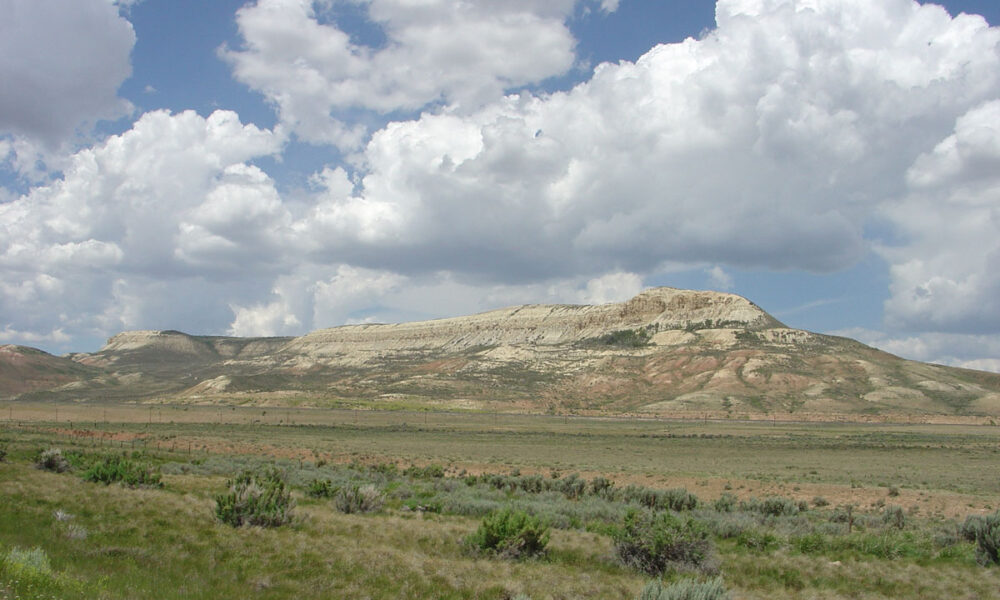

Quick answer (checked October 13, 2026): Fossil Butte National Monument in southwestern Wyoming is free to enter and is best known for exceptionally preserved fossils from an ancient lake. Start at the visitor center to see genuine fossil fish, plants and other specimens; then choose a short nature walk or the more demanding Historic Quarry Trail. The monument is open from sunrise to sunset, but visitor-center hours and road access vary by season. Crucially, you will not see exposed fossils along the hiking trails—the specimens are displayed indoors.
Fossil Butte at a glance
| Question | Practical answer |
|---|---|
| Where is it? | 864 Chicken Creek Road, near Kemmerer, Wyoming; about 9 miles west of town via US-30. |
| Entrance price | Free all year; no park entry pass required. |
| Grounds open | Every day, sunrise to sunset, subject to weather-related road closures. |
| Best first stop | The visitor center, where prepared fossils are exhibited. |
| Two maintained hikes | Historic Quarry Trail, 2.5 miles; Nature Trail, 1.5 miles. |
| Camping in the monument | Not available. Arrange lodging or camping outside the monument. |
| Can you collect fossils? | No. Removing fossils or other natural/cultural objects is prohibited. |
What makes Fossil Butte special?
About 52 million years ago, a freshwater lake occupied this part of present-day Wyoming. The sediments of the ancient Fossil Lake ecosystem preserved extraordinary details: fish, turtles, insects, leaves and other organisms from the Eocene Epoch. These are not dinosaur fossils. The environment recorded here was a warm, wet lake-and-floodplain system long after the non-avian dinosaurs became extinct.
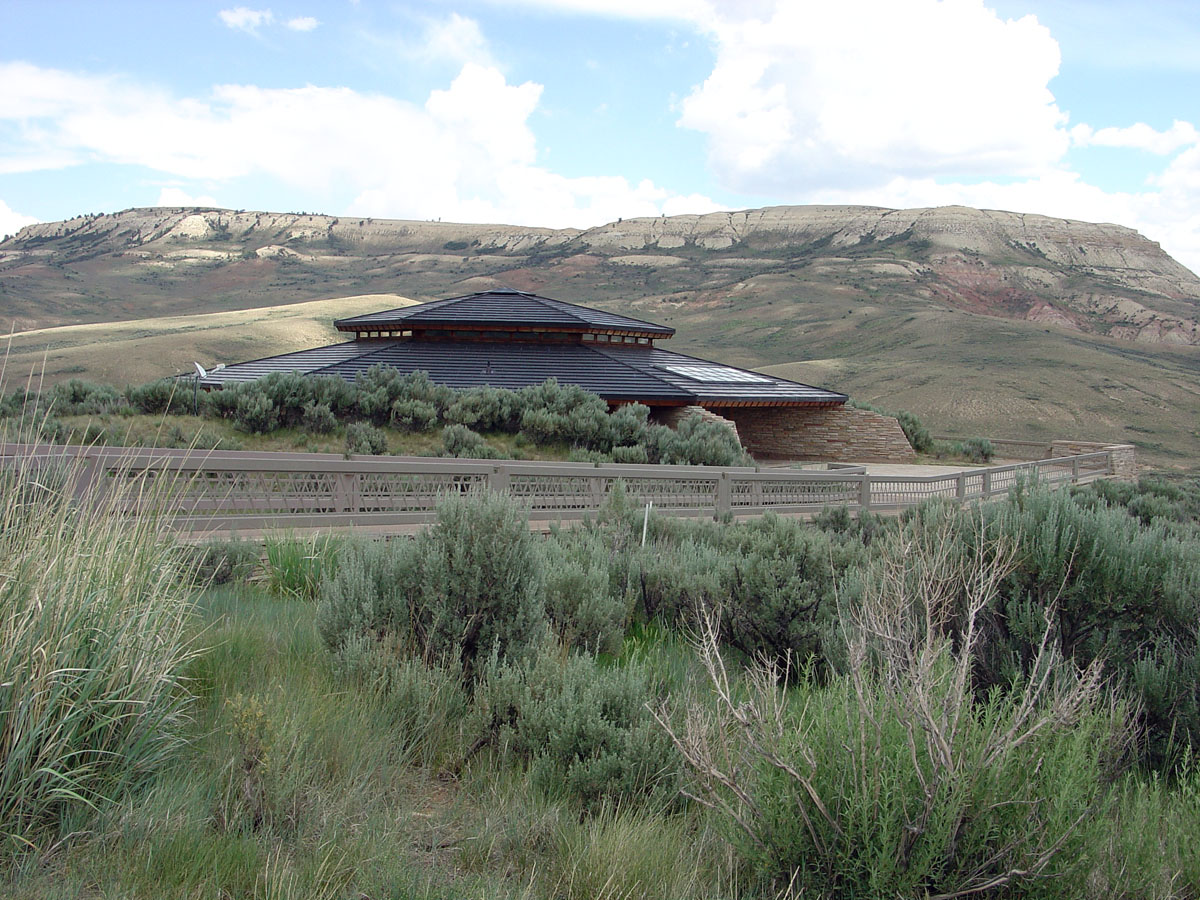
The preserved fossils help scientists reconstruct an entire ecosystem rather than a single dramatic skeleton. Some specimens show anatomical detail that would normally disappear during decomposition. Fossil Butte was protected as a national monument in 1972, and its visitor center interprets the fossils in the context of the landscape outside.
Important expectation: This is a museum-and-geology visit, not a place where visitors hunt for fossils. If your main goal is to see the famous specimens, plan around the visitor center’s opening hours, not just the monument’s sunrise-to-sunset gate hours.
Fossil Butte visitor center: what you will actually see
The visitor center holds more than 2,000 fossil specimens on display, with exhibits explaining the ancient lake and how paleontologists excavate and prepare rock slabs. Displays include fossilized fish alongside plant, insect, reptile, bird and mammal material. Interpretive video programs provide context before you explore outdoors.
Don’t assume you’ll be able to look at exposed specimens on the trails: the National Park Service explicitly says that fossils are not visible along the trails. Layers of sedimentary rock preserve them until excavation and careful preparation reveal the details.
2026 visitor-center hours, by season
| Season | Visitor-center hours | What to remember |
|---|---|---|
| Spring: May 1 to Thursday before Memorial Day | Daily, 8:00 a.m.–4:30 p.m. | Some park roads may still be snowbound. |
| Summer: Friday before Memorial Day through Labor Day | Daily, 8:00 a.m.–5:30 p.m. | Best seasonal road and trail access, subject to weather. |
| Fall: day after Labor Day through October 31 | Daily, 8:00 a.m.–4:30 p.m. | Hours currently applicable in mid-October 2026. |
| Winter: November 1 through April 30 | Monday–Saturday, 8:00 a.m.–4:30 p.m. | Closed on Sundays and certain federal holidays; storms can block roads. |
Winter visitor-center holiday closures include Veterans Day, Thanksgiving, Christmas Day, New Year’s Day, Martin Luther King Jr. Day and Presidents Day. Hours are published by the National Park Service, last updated in June 2026; check for last-minute closures before driving to the site.
Historic Quarry Trail vs. Nature Trail: which should you take?
There are two maintained trails, plus unmaintained routes reached by the seasonal scenic drive. Pick by fitness, weather and the reason for your visit—not by an expectation of seeing exposed fossil specimens.
| Trail | Distance | Typical time | Terrain and purpose | When available |
|---|---|---|---|---|
| Historic Quarry Trail | 2.5-mile (4 km) loop | About 1–2 hours | Moderate to strenuous; climbs toward former quarry and rock layers, with steps and substantial elevation gain | Year-round in principle; difficult in snow and mud |
| Nature Trail | 1.5-mile (2.4 km) loop | About 45–90 minutes | Sagebrush, aspen and ecosystems of the area | Primarily summer; access road closes seasonally |
Historic Quarry Trail: a closer look at the rocks
This 2.5-mile loop starts around 6,675 feet above sea level and gains roughly 600–700 feet. Its interpretive stops show the geologic layers of the Wasatch and Green River formations. A side loop leads toward a historic quarry; the route includes flights of steps and has little shade. It is not accessible to wheelchairs or strollers. Carry drinking water and sun protection and avoid exposed sections during thunderstorms.
The trail can be muddy during spring thaw and hard to follow under winter snow. Leashed dogs are allowed on this maintained trail, but check current National Park Service pet guidance before arriving. See the official Historic Quarry Trail details for current route and seasonal guidance.
Nature Trail: a shorter look at the ecosystem
The 1.5-mile loop passes through sagebrush steppe and aspen habitats, with signs connecting the landscape to local ecology and geology. For families looking for a gentler summer outdoor experience, it may be a better option than the Historic Quarry climb. However, access depends on the seasonal scenic road. Do not plan to drive here in winter without checking road status.
Other overlooks and unmaintained routes
The NPS also describes routes to Cundick Ridge, Eagle Nest Point and Rubey Point. These are not interchangeable with the two maintained trails. The road surfaces are unpaved in places, route-finding can be less obvious, and at least some of these routes prohibit dogs. For a first visit or when the weather is uncertain, the visitor center plus a maintained trail is the more predictable itinerary.
One-hour, half-day and full-day visit plans
If you have about one hour
Spend most of your time at the visitor center, examining actual fossil specimens and the interpretive material. Add a quick view of the surrounding butte. This plan makes the most sense when traveling with younger children, during hot weather, or if you do not want a steep hike.
If you have two to four hours
Allow roughly 45–60 minutes for the exhibits, then hike the Historic Quarry Trail if conditions and your fitness permit. Leave time for water, photography and an unhurried return. Avoid assuming the hike is flat or quick: the higher elevation and climbing can be tiring.
If you have most of a day in summer
Explore the visitor center, then choose a maintained hike and the seasonal scenic drive if open. If you are considering an unmaintained ridge trail, discuss the route with a ranger first. Bring your own food: there is no restaurant inside the monument, and there is no campground. A packed lunch can be practical when the picnic area is accessible.
Driving directions and seasonal road closures
From Kemmerer, drive roughly nine miles west on US Highway 30 and look for the park sign near milepost 44. Turn north onto Lincoln County Road 300; the Historic Quarry Trail parking area is about half a mile along that road. Continue about 1.5 miles to Chicken Creek Road for the visitor center and the scenic-drive access.
The monument grounds are generally open from sunrise to sunset. The gate can close during severe winter storms, and the scenic drive serving the picnic area and Nature Trail normally closes around November until late May. That means a winter visitor may be able to visit the museum while still being unable to reach summer trailheads by car. Use the official monument homepage for park alerts, or call the park at 307-877-4455.
When is the best time to visit Fossil Butte?
Late spring through early fall is usually the simplest window for visitors seeking both museum exhibits and outdoor trails. Summer provides the longest visitor-center hours and best access to the scenic drive, but exposed hikes can be hot with little shade. In spring, melting snow can leave mud; in late fall and winter, ice, snow and road restrictions can determine what is reachable.
Weather is particularly important at this elevation. The NPS notes that summer daytime highs often fall roughly between 60 and 90°F, while winter can be much colder. Carry water even on apparently mild days: elevation and dry air affect how strenuous the walk feels. Winter travelers should check road conditions and avoid interpreting the published daily monument hours as a promise of safe driving access.
Important rules and practical tips
- Do not collect fossils: Fossils, rocks and other natural and cultural objects are protected; collecting them is prohibited.
- Expect museum fossils, not trail fossils: Start at the visitor center if seeing specimens is your priority.
- Plan fuel and food: The region is remote, and the park has no on-site restaurant or campground.
- Check current hours: Winter Sunday and holiday closures affect the museum, even when the grounds are nominally open.
- Know the trail’s elevation: The Historic Quarry route climbs and is not accessible for a wheelchair or stroller.
- Bring water, sun protection and weather-appropriate layers: Exposed terrain and mountain-desert weather are demanding.
- Use the official map and signage: Some scenic routes are unmaintained and have seasonal access restrictions.
Fossil Butte vs. Agate Fossil Beds: two different fossil trips
Although the names sound similar, these are separate national monuments with very different geologic stories. Fossil Butte, Wyoming preserves evidence of an Eocene freshwater lake from about 52 million years ago. Agate Fossil Beds, Nebraska is known for Miocene mammal fossils and a separate cultural collection. Neither should be mistaken for an active fossil-collecting site for visitors.
If you are choosing between them, compare the exhibit focus and driving route rather than just the phrase “fossil beds.” For the Nebraska site, see our Agate Fossil Beds visitor guide, which covers its trails and museum experience in more detail.
Frequently asked questions
Is Fossil Butte National Monument free?
Yes. The NPS lists no entrance fee or required park entry pass. The monument does not have a separate paid museum admission listed in its basic visitor information.
Can you find fossils on the hiking trails?
Fossils are preserved in the rock, but they are not exposed along the marked visitor trails. Go to the visitor center to see prepared specimens. Do not dig or collect material.
Can you visit in winter?
Yes, but it is a different experience. The visitor center has reduced opening days, and weather can close roads. The scenic drive normally closes in winter, while the Historic Quarry Trail may be snow covered or muddy.
How far is Fossil Butte from Kemmerer?
About nine miles west of Kemmerer on US-30, followed by the signed local road into the monument. Navigation to the physical address—864 Chicken Creek Road—is usually more reliable than searching for a generic “Fossil Butte” point on a map.
Are dogs allowed on the trails?
The NPS lists leashed pets as permitted on the two maintained trails, including the Historic Quarry Trail; rules differ for some unmaintained ridge routes. Verify pet restrictions for the exact trail before heading out.
Is it worth stopping if I do not hike?
Yes, if you enjoy natural history. The visitor center is the primary attraction for genuine fossil specimens, so a short museum visit is still worthwhile without a long trail.
Official information checked for this guide
This guide was fact-checked on October 13, 2026 using the NPS basic visitor information, NPS seasonal operating hours, NPS trail guidance and NPS activity descriptions. Check the official pages again shortly before travel, as weather and operating arrangements can change.

Other Articles

Canva Photo Editor: Crop, Adjust, Remove Background and Export
Excel Conditional Formatting: Highlight Duplicates and Trends