
MLB 154-Game Season Proposal: 2027 Playoff Picks and 2029 Changes Explained
Quick answer — updated October 8, 2026: Major League Baseball has proposed cutting each team’s regular season from 162 games to 154 beginning in 2029 and expanding the Division Series to best-of-seven in 2029. A separate part of the same proposal would let certain higher-seeded postseason teams choose their opponents beginning in 2027. Neither change has been approved. The 2027 and 2028 regular-season schedules would not be shortened under this proposal. The plan was presented to the MLB Players Association in collective bargaining, according to MLB’s own explanation and Associated Press reporting.
The distinction matters because search results also surface an unrelated 154-game proposal from the 2021 labor negotiations. This is a new October 2026 proposal with distinct target dates in 2027 and 2029. Here is what it would actually do to the schedule, the playoff bracket, rest days and player pay — and what still needs to happen.
154 games versus 162: the proposal at a glance
| Question | Current format | MLB’s October 8 proposal |
|---|---|---|
| Regular-season games per team | 162 | 154 (eight fewer) |
| Proposed shorter-season start | Existing 162-game schedule stays in effect | 2029 season |
| Weekly rest | Off days vary | Normally one off day each week, typically Monday |
| Monday games | Regular scheduling | Limited national broadcast exceptions; compensating rest day |
| Division Series | Best of five | Best of seven |
| Who selects playoff opponent? | Bracket determined by seeding | No. 3 overall seed in the Wild Card round and No. 1 Division Series seed choose among specified opponents, proposed from 2027 |
| Player salary in a shorter season | Under existing contract terms | MLB says it would not reduce guaranteed salaries just because there are eight fewer games |
| Final status on October 8 | Existing rules govern | Proposal — not adopted |
The eight-game reduction is roughly 4.9% of today’s 162-game schedule. Fans should not divide a team’s expected 2029 record by 162 if the plan were eventually adopted; standings and win percentages would necessarily reflect fewer scheduled games. But until a new format is agreed, current standings and playoff criteria remain the operative rules.
Why does MLB want a 154-game regular season?
MLB’s stated reasoning has two main parts. First, more predictable rest could help protect players and reduce roster pressure over a long season. Second, ending the regular season slightly earlier would make room for additional, more marketable playoff dates and a national television window. MLB spokesman Glen Caplin outlined these goals in the league’s October 8 announcement.
Would every Monday be a day off?
Not necessarily. The proposal would ordinarily reserve Monday as a weekly off day, but it explicitly allows a small number of nationally televised Monday games, holidays and select special-event exceptions. A team playing on Monday would instead get Thursday off that week. It is a proposed scheduling pattern, not a promise that a future calendar would contain no Monday baseball.
Why are four doubleheaders mentioned?
According to MLB, each team would have four split doubleheaders — one against each divisional opponent — under the proposed calendar. That is one part of accommodating regular off days while fitting 154 games into the season. A doubleheader is two games against the same opponent on a single date; the exact venue and ticket details would be determined by the eventual schedule, not by this proposal alone.
Would existing player contracts be cut?
MLB says guaranteed salaries would not be reduced merely because the season has fewer games. It also proposes proportionally adjusting thresholds for provisions linked to games played, including certain bonuses or options. Those are statements of the league’s bargaining position, not a finalized union agreement. Individual contract language can vary.
How would teams choose their playoff opponents?
Proposed start: the 2027 playoffs, subject to a labor agreement. The proposed selection system is more specific than the popular shorthand that “top seeds can pick anyone.” It gives the No. 3 seed — the lowest-ranked division winner — a choice between the No. 5 and No. 6 seeds in the Wild Card round. Later, the No. 1 seed would pick which surviving Wild Card winner to face in the Division Series. These selections would occur after the regular season and the Wild Card round respectively, according to MLB’s published outline.
Could a top seed choose a division rival?
Potentially, if that rival is among the eligible remaining teams under the final bracket rules. The key limit is that the proposed choice is between eligible opponents in the relevant round, not an invitation to select any of the 30 MLB clubs. The detailed tie-breaking, announcement procedure and broadcast arrangements would still need to be finalized.
What happens to the team not selected?
Under the concept MLB described, the unchosen eligible opponent would face the corresponding remaining seed in that round. The possible strategic upside for a selector is avoiding an especially hot or difficult opponent; the obvious downside is creating motivational headlines for a team that was deliberately chosen as the supposedly easier path. That competitive interpretation is analysis, not evidence of how a future club would actually decide.
Would the Division Series become best-of-seven?
Yes, if the proposal wins agreement. Today a club needs three wins in a best-of-five Division Series. A best-of-seven Division Series would require four wins, potentially producing six or seven games instead of at most five. MLB says adding those potential games would improve the chance of stronger clubs progressing and create more high-profile dates for media partners. The best-of-seven change would not affect the 2026 playoffs and, if approved, would begin in 2029.
For context, our Yankees–Rays Game 4 explainer illustrates why a best-of-five series can end after only three games. The new proposal would change the win threshold in that round, but only once negotiated and implemented.
Why does the proposal mention both 2027 and 2029?
Two different timetables apply. The option for high-seeded playoff teams to choose opponents would begin in 2027 under the proposal. The 154-game schedule and best-of-seven Division Series would begin in 2029, when MLB expects a new national media-rights cycle. None of those changes becomes official merely because the current labor agreement expires in December 2026. The union and league still need to negotiate and agree on the package.
The wider bargaining context includes a contentious proposed salary cap and floor. That disagreement is distinct from the structural 154-game offer, but it can affect whether a broader agreement becomes possible. Neither the league’s desire for rest days nor the union’s broader economic objections amount to a final vote on this precise package.
Could a 154-game season change tickets, statistics or fantasy baseball?
Tickets and season packages
With eight fewer total games per team, there would logically be fewer opportunities to sell regular-season game admissions in a comparable season. Exactly how many home dates would change, how split doubleheaders would be ticketed, and what plans clubs might offer are not settled by the October 8 proposal. Fans should not expect a refund for a nonexistent 2029 schedule change today.
Single-season statistics
Fewer games would reduce the maximum opportunities for counting totals such as hits, home runs or innings pitched, all else equal. Rate measures like batting average remain based on their own denominators. Comparing future records to historical 162-game totals would require the same context already used when discussing seasons from different eras.
Fantasy leagues
Fantasy providers might adjust season length, weekly matchups or playoff settings if an official new MLB calendar were adopted. No operator-specific change should be treated as confirmed today. Keep following the normal 2026 league rules; the proposal is a future negotiation item, not an automatic update to your fantasy app.
What has to happen before the changes are official?
MLB and the players’ association must negotiate and agree to any required labor terms, after which a formal implementation timetable and competition rules would need to be announced. The league would also need to publish the detailed schedule, series format and opponent-selection procedures. One party proposing something in a bargaining session does not make it binding.
For current confirmed baseball postseason dates, read our Brewers–Dodgers NLCS schedule guide. It covers the 2026 calendar — which should not be confused with the hypothetical 2029 format.
Frequently asked questions
Is MLB definitely moving to 154 games?
No. As of October 8, 2026, it is a league proposal during collective bargaining, not an agreed and enacted schedule.
What year would the 154-game season start?
The league proposes 2029. No finalized implementation date has been approved.
When would higher seeds start choosing playoff opponents?
MLB proposes beginning opponent selection in 2027, earlier than the other two major format changes. It has not been approved by the players’ union.
Would Division Series games go from five to seven?
The proposal changes the maximum length from five games to seven. A team would need four wins instead of three to advance.
Would every team get to pick an opponent?
No. The choice would be limited to specified high seeds within the eligible playoff pairings.
Why are some stories about a 154-game season from 2021?
MLB discussed different 154-game concepts during previous negotiations. The October 8, 2026 offer is a new package with a proposed 2029 start and specific playoff-selection changes.
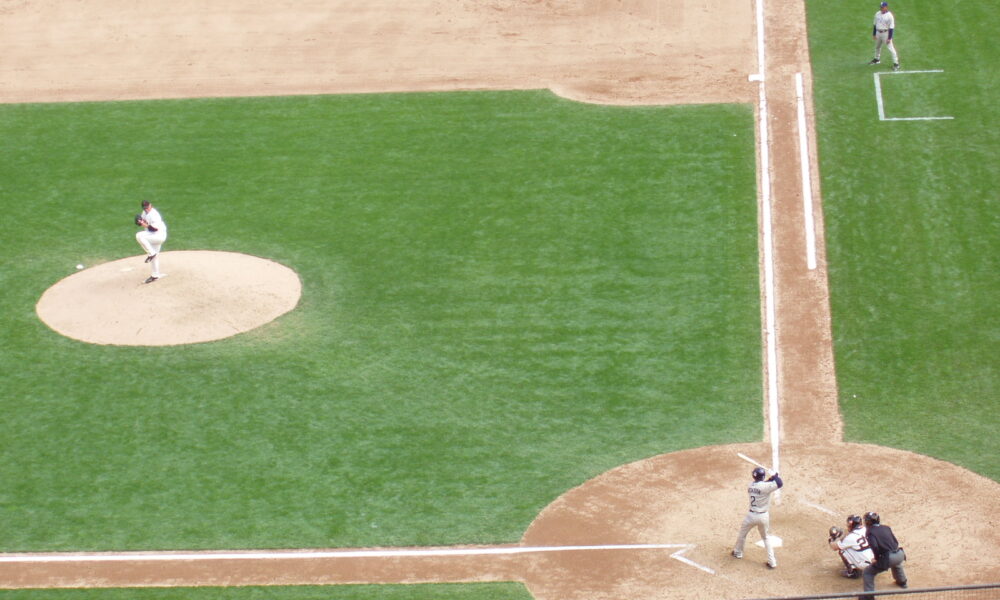
Reporting sources: MLB’s October 8 proposal details; Associated Press on bargaining and schedule; MLB’s earlier 2026 economic proposal. Image note: Archival baseball-game illustration, public domain via Wikimedia Commons. It does not depict the labor meeting. Last checked October 8, 2026.

Other Articles

Cyberleek GTA 6 Leak: 25-Minute Video, Facts and Scam Risks
Google Gemini Agent at Work: Preview, Features, Price and Access