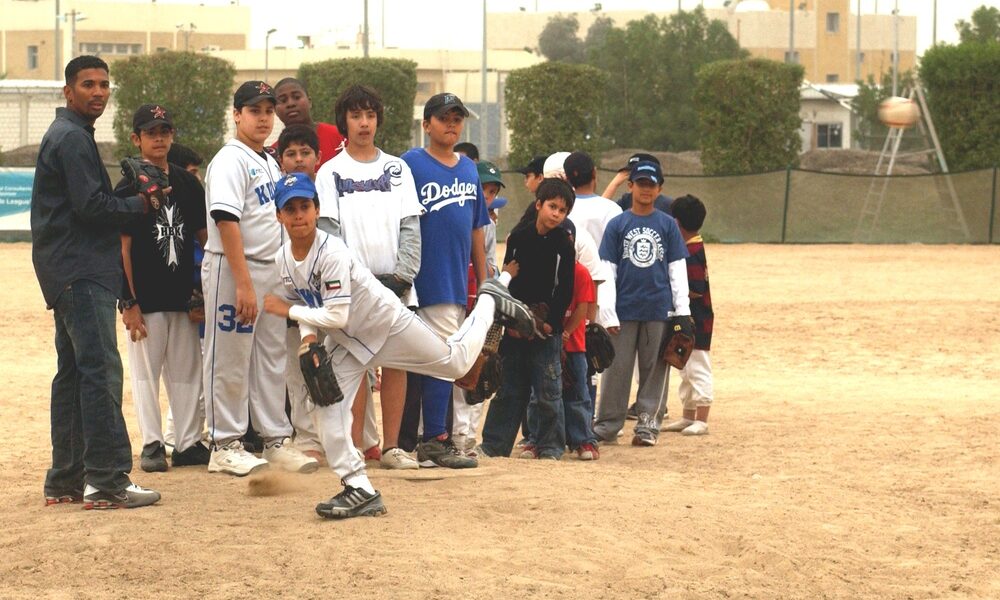

Quick answer: Little League Baseball regular-season pitching limits are based on the player’s league age. Daily maximums are 50 pitches for ages 6–8, 75 for ages 9–10, 85 for ages 11–12 and 95 for ages 13–16. Required rest ranges from zero to four calendar days, depending on age and workload. A player also may not pitch on three consecutive days. This guide applies to baseball, not Little League softball or every travel-ball league.
Little League baseball daily pitch limits by age
| League age | Maximum pitches per day |
|---|---|
| 6 to 8 | 50 |
| 9 to 10 | 75 |
| 11 to 12 | 85 |
| 13 to 16 | 95 |
These numbers are published in the official Little League Regulation VI pitching rules. The league-age determination method matters: do not substitute grade or assume a child’s calendar age always matches their league age. These are limits, not recommended targets for every appearance.
Rest days for Little League baseball pitchers
League age 14 or younger
| Game-day pitches | Days of mandatory rest |
|---|---|
| 1–20 | 0 |
| 21–35 | 1 |
| 36–50 | 2 |
| 51–65 | 3 |
| 66 or more | 4 |
League age 15 or 16
| Game-day pitches | Days of mandatory rest |
|---|---|
| 1–30 | 0 |
| 31–45 | 1 |
| 46–60 | 2 |
| 61–75 | 3 |
| 76 or more | 4 |
Calendar days means days after the appearance, not 24-hour blocks counted from the final pitch. Also note Little League’s separate restriction on pitching for three consecutive days. Even two low-count appearances on successive days cannot be followed by another on day three.
Three simple pitching-eligibility examples
- Age 12, 52 pitches on Monday: three days of required rest: Tuesday, Wednesday and Thursday. Friday is the earliest possible next pitching day if the player is otherwise eligible.
- Age 10, 18 pitches Monday and 15 Tuesday: neither performance reaches the one-day rest bracket, but the pitcher still cannot pitch Wednesday because it would be a third consecutive day.
- Age 15, 48 pitches on Saturday: two days of rest are required—Sunday and Monday—so Tuesday is the first possible return under these counts.
Real eligibility may also depend on catcher usage, tournament restrictions, a suspended game or other appearances. League officials should resolve discrepancies using the complete regulation.

What if the pitcher reaches the maximum during an at-bat?
Little League permits a pitcher who reaches the age-based limit while facing a batter to complete that batter under the rule’s specified conditions. The pitcher must then leave the mound once the batter reaches base, makes an out, the half-inning ends, or the pitcher is removed before the plate appearance finishes. They may not start another batter after reaching the daily maximum.
The rest-day threshold has an additional provision tied to the pitch count when the pitcher began facing the final batter. Record the start-of-batter count so the official scorekeeper can apply the specific threshold exception accurately. It is unsafe to treat a spreadsheet’s final total as the entire rule.
Pitcher and catcher restrictions
Little League generally prohibits a player who has caught four or more innings in a game from pitching again on that calendar day. Likewise, a pitcher who throws 41 or more pitches normally cannot take the catcher position later that day, except where the official 40-pitch finish-the-batter threshold provision applies. Special rules also address players who catch three innings or fewer before pitching, with different thresholds at ages 15 and 16.
These restrictions mean that managers must record two things: pitches thrown and time spent at catcher. Moving a player to another fielding position does not automatically erase either obligation. In most younger divisions, a pitcher removed from the mound cannot return as pitcher; older divisions have narrowly described exceptions.
Coach’s pitch-count checklist
- Confirm the player’s league age and division.
- Designate the official pitch-count recorder before the game.
- Log pitches delivered to batters, even on plays that do not end in an out.
- Mark any batter during which a daily maximum or rest threshold is reached.
- Track innings spent catching and all position changes.
- Calculate mandatory days off using the correct age-specific chart.
- Check the prohibition on three straight days, suspended-game situations and your tournament or local policies.
Do not confuse eligibility with a promise of physical readiness. Coaches should respond to pain, unusual fatigue and concerns from the player or their healthcare professional, even when the official limit has not been reached. For basic pitching mechanics rather than game limits, see our guide to seven baseball pitch grips. For the roles around the diamond, our baseball positions explainer is a separate reference.
Frequently asked questions
How many pitches can an 11-year-old throw in Little League?
The regular-season daily maximum for a league-age-11 baseball player is 85 pitches, subject to the finish-the-batter provision and rest requirements.
Does a 12-year-old have the same pitch limit as a 13-year-old?
No. The age-11–12 maximum is 85, while the age-13–16 maximum is 95. Their required rest days also depend on the number of pitches.
Do warm-up throws count?
The regulation’s game pitch count concerns deliveries during play. Warm-up activity is not the same as a pitch delivered to a batter in the game.
Does Little League softball use the same numbers?
No. Little League’s softball eligibility rules use innings-based restrictions in key divisions. Do not apply the baseball table to softball.
Should I use this table for tournament games?
Use the current official tournament regulations and your league’s instructions. Do not presume regular-season exceptions carry over unchanged.
Rule reference: Little League’s official pitch-count regulations. Confirm any season- or tournament-specific requirements with your league.

Other Articles

Ninja Time Codes (October 2026): 95 Free Spins and Redemption Guide
