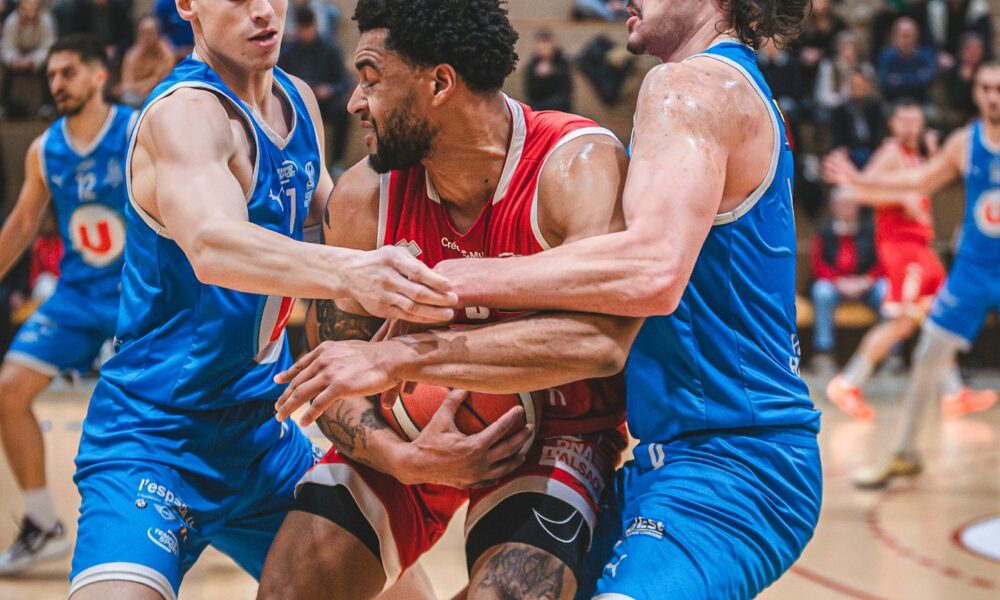

Quick answer: The most effective beginner basketball defense drills combine balanced footwork, controlled closeouts, 1-on-1 containment, help-and-recover reads, and defensive rebounding. Practice these actions in the same sequence players experience in a game: get into position, approach the ball, stop a drive, communicate help, contest legally, then finish the possession with a rebound. The seven drills below require ordinary court space and a few cones, and a focused 30-minute version works for a youth team or small group.
A defender who simply shuffles quickly but arrives out of control still gets beaten. Good practice should measure where the offensive player gets, not only how fast the defender moves. Use observable targets such as keeping the ball out of the paint, arriving with a low stance, avoiding fouls and getting a box-out after the shot.
Which defensive basketball skills should you teach first?
| Skill | Game problem it solves | Practice cue |
|---|---|---|
| Stance and lateral push | Getting beaten on the first drive | Hips low, chest stable, push from the back foot |
| Closeout | Giving up an open catch-and-shoot attempt | Approach quickly, then decelerate under control |
| Containment | Allowing a direct line to the basket | Stay between the dribbler and scoring area |
| Help and recovery | Leaving an easy layup or open shooter | Protect the paint while seeing ball and player |
| Rebounding | Giving the offense a second shot | Locate an opponent, establish position, pursue ball |
These fundamentals reflect the focus of Jr. NBA’s closeout-and-slide coaching and USA Basketball’s defensive footwork resource. The routines below are practice plans, not claims that we personally tested a proprietary training method.
1. Mirror slides — balance before speed
Players: two per pair. Equipment: four cones. Time: 4 minutes.
- Mark a lane roughly 10 feet wide with cones. Players face each other, one as leader and one as defender.
- The leader moves laterally between cones without the ball. The defender mirrors the movement, trying to keep the leader centered in front.
- Work for 20 seconds, rest and switch roles. Add a gentle forward or backward movement only when footwork remains under control.
- For advanced players, allow short bursts of speed without pushing or grabbing.
Coach cue: Push laterally rather than crossing feet as a default. Keep eyes at the torso, not at feints from the hands. If the defender falls out of stance, shorten the distance and reduce speed. This drill is a warm-up, not a substitute for guarding a real ball handler.
2. Closeout to a stationary receiver — stop without flying past
Players: groups of three (passer, receiver, defender). Time: 4 minutes.
- Place the receiver at a wing position, the passer near the top of the key, and the defender several steps away in a help position.
- On the pass, the defender closes distance quickly and slows the final steps, arriving balanced with one hand up to contest a potential shot.
- Freeze the action for a second: can the defender still move laterally if the receiver puts the ball down?
- Rotate roles every few reps, then let the receiver choose a stationary shot fake or jab step.
Measure: Give the defender one point for arriving under control while remaining able to guard a drive. A dramatic leap past the receiver scores zero even if the defender reaches the ball. This builds on the Jr. NBA closeout breakdown.
3. One-on-one closeout and contain — defend the next action
Players: two players, optional passer. Time: 5 minutes.
- Begin with an offensive player on a wing, a defender near the paint, and a passer at the top.
- When the ball is passed to the wing, the defender closes out as in Drill 2.
- Now the offense is live for up to three dribbles. The defender’s goal is to prevent a direct drive into the paint without fouling.
- Play to one shot or turnover; reset and swap roles after three possessions.
Scoring suggestion: Defense scores two for a legal stop with a secured rebound, one for forcing a contested outside attempt, and zero for surrendering a clear lane to the basket. A shot can still go in against good defense; grade decision quality, not only the result.
Junior NBA provides a separate 1-on-1 closeout example, useful for coaches who want to compare the basic setup.
4. Baseline-or-middle decision — teach angles, not guessing
Players: two. Time: 4 minutes.
Give the ball handler space on the right or left wing and place a small cone outside the scoring lane as a target. The defender begins in front. On the whistle, the offense tries to reach either the baseline cone or a middle-lane cone within three dribbles; the defender uses positioning to prevent easy access. Repeat on both sides. Rotate roles every two attempts.
This is a decision drill, not a universal instruction to send every driver baseline. A team’s help-defense scheme may dictate the preferred direction. Before starting, tell everyone which space is being protected so the defender can learn to control an angle without lunging or reaching across the dribbler’s arms.
5. Two-on-two help and recover — communicate before rotating
Players: four. Time: 5 minutes.
- Place two offensive players at the top and wing, with one defender assigned to each.
- On a wing drive, the off-ball defender moves toward the scoring lane as help while maintaining awareness of the open offensive player.
- The offense may pass to the unguarded teammate. The helper must recover, while the beaten defender adjusts to cover the next threat.
- Limit each possession to six seconds after the first drive so movement stays purposeful.
Coach cue: Require audible “ball,” “help” or “recover” calls. Stop play when both defenders chase the ball and leave the same shooter wide open. Fix the position before speeding the drill up. Younger players can begin with walking-speed offense and a scripted pass pattern.
6. Contest, locate, box out — finish the defensive possession
Players: three (shooter, rebounder, defender) or pairs if the coach shoots. Time: 4 minutes.
The defender closes on a shooter, contests vertically without jumping into the shooter’s body, then turns to locate an opponent and establishes legal rebounding position. Once the shot is released, everyone pursues the ball safely. Rotate after each rep.
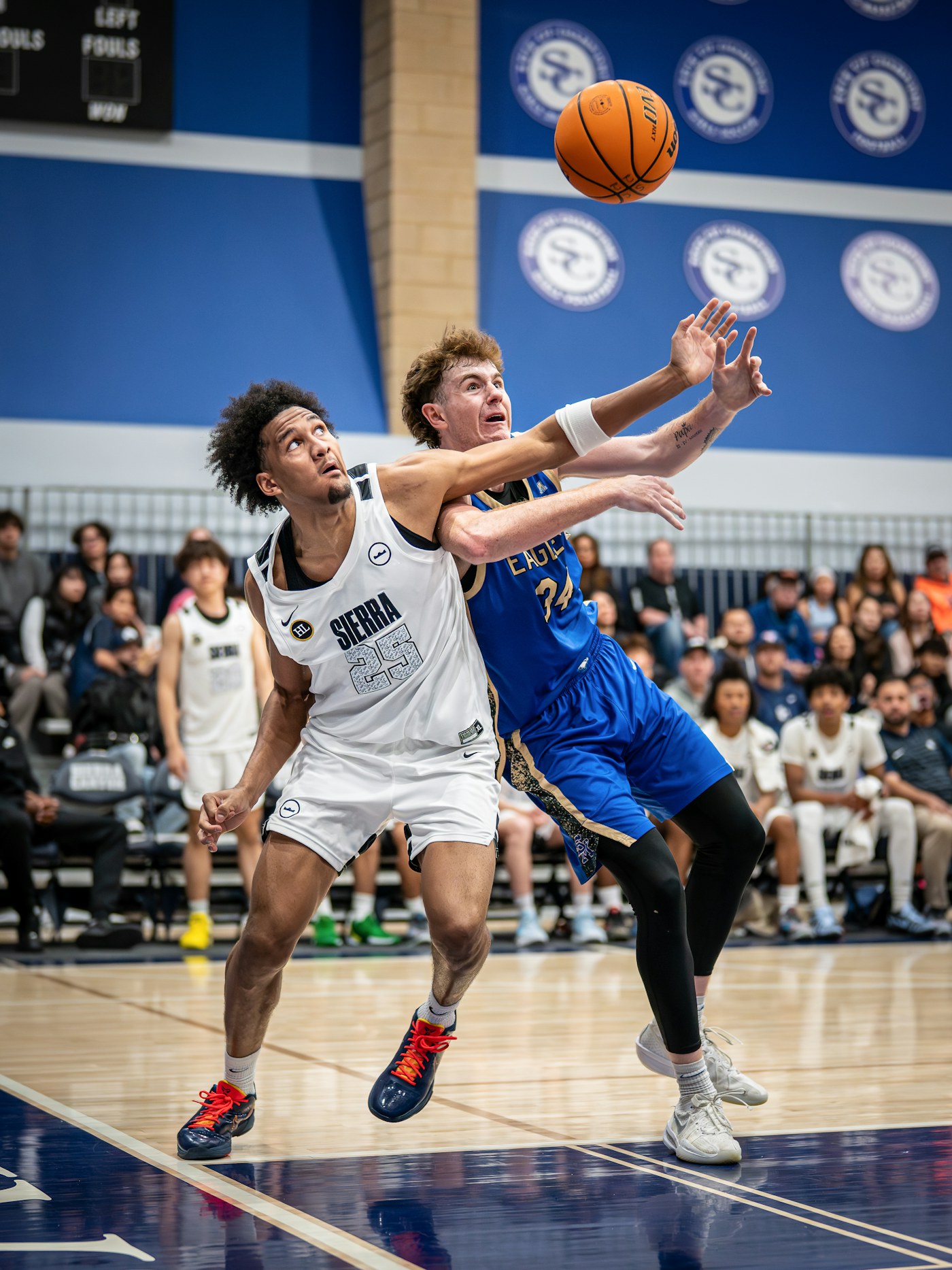
Many youth groups spend time on the shot contest but forget the rebound. The ball is not really defended if the offense gets an uncontested second attempt. Our separate box-out guide covers foot placement and common mistakes in more detail.
7. Three-on-three no-paint challenge — put the skills together
Players: six. Time: 5 minutes, extend if you have time.
Play half-court three-on-three with normal rules but add a defensive goal: score a team point when the offense completes a possession without getting a controlled dribble into the paint. Add a bonus defensive point for a legal stop followed by a rebound. Rotate offense and defense after two possessions.
Because the scoring reward focuses on protecting space, players learn to help each other rather than gambling on steals. If the group has not yet learned safe contact or spacing, restrict the offense to two dribbles per person and emphasize communication before full-speed play.
30-minute defensive basketball practice plan
This compact version uses most of the seven drills in a progressive order. Times below include short transitions, so have cones and teams ready.
| Minute | Activity | Coach checks |
|---|---|---|
| 0–4 | Mirror slides and stance warm-up | Balance, posture, safe spacing |
| 4–8 | Stationary closeout | Controlled final steps |
| 8–13 | Live 1-on-1 contain | Stay out of the paint, no reaching |
| 13–17 | Baseline-or-middle decision | Show chosen defensive angle |
| 17–22 | 2-on-2 help and recover | Communicate and recover to shooters |
| 22–26 | Contest and box out | Challenge legally, secure rebound |
| 26–30 | 3-on-3 no-paint challenge | Team stops, effort, smart recovery |
For a single player: You can practice slides and controlled approaches to a cone alone, but true containment and help reads require another person. Do not describe a solo cone routine as a replacement for live 1-on-1 defense.
How to track whether the team is improving
Record a few observable measures rather than just telling everyone to “play harder.” For each small-sided drill, track paint touches allowed, fouls committed, successful balanced closeouts and defensive rebounds secured. For example, five closeouts with four balanced arrivals is an 80% process success rate on that narrow skill, not proof of 80% overall defensive performance.
Use the same constraints each time—same number of dribbles, same starting position and similar offensive skill level—if comparing sessions. Reset scores when the drill rules change. Include a short cool-down and make recovery adjustments for younger players; avoid prolonged maximum-intensity shuffling as punishment.
Common basketball defense drill mistakes
- Rewarding steals over positioning: A missed steal can open a direct path to the basket. Reward legal stops first.
- Closeouts that never become live: Players must learn what to do after the catch, not only before it.
- Arms instead of feet: Reaching, holding or landing into shooters creates foul risk. Review legal defensive position and blocking-vs-charge basics.
- Too many tactical instructions: Keep one clear goal for each rep; add help-side complexity only when the stance and closeout are stable.
- Forgetting to rebound: A possession is not over when the shot goes up.
Frequently asked questions
What is the best basketball defense drill for beginners?
Start with mirror slides, then controlled closeouts and live 1-on-1 containment. Those teach the positioning and decision-making needed before full-team shell work.
Can one player practice defense without a partner?
Footwork and stance drills can be solo, but reacting to a real dribbler, communicating help and finishing with a contested rebound require partners or a team.
What is a closeout in basketball?
A closeout is the defender’s controlled approach to a player receiving or holding the ball, designed to challenge a shot while maintaining the ability to guard a drive.
Are shell drills better than 1-on-1 drills?
They teach different things. 1-on-1 isolates on-ball containment; a team shell setup helps teach spacing and help rotations. Build the individual skills first, then combine them.
How often should a youth team practice defense?
Work on a few defensive fundamentals regularly within balanced practices. The right volume depends on age, conditioning, practice frequency and coaching oversight; there is no single safe number of hard repetitions for every child.
For demonstrations of the underlying techniques, see Jr. NBA’s lateral movement drill, its closeout practice and USA Basketball’s closeout guidance. These are external coaching references, not a claim that either organization endorses this specific timed practice plan.

Other Articles

GHOUL://RE Codes (October 2026): Ghoul Points and Redemption Guide