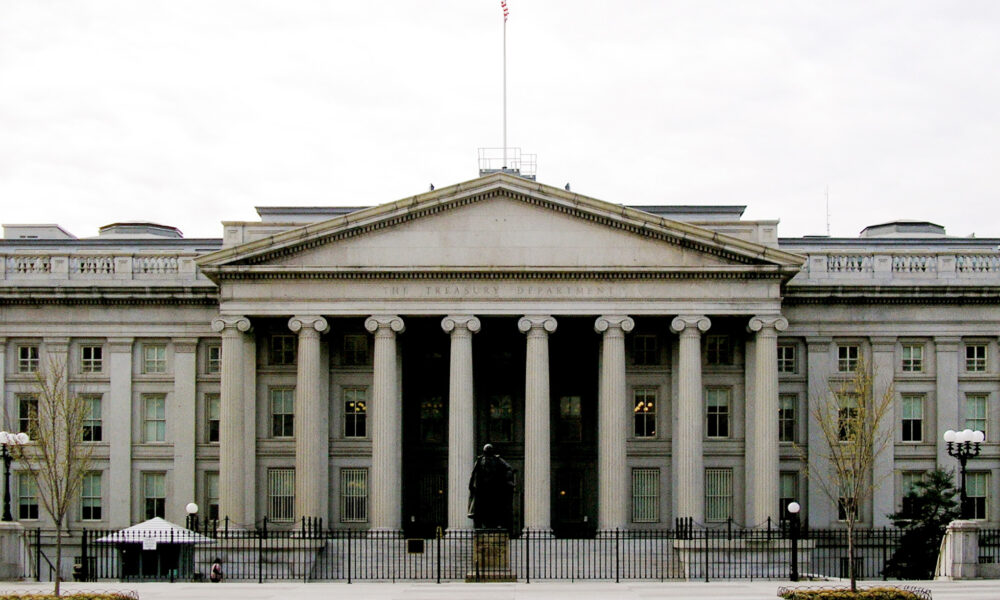

Quick answer: The U.S. Treasury says its Do Not Pay fraud-prevention system can now be accessed by about 99% of federal programs, up from roughly 4% at the end of fiscal 2025. Treasury also says new payment-verification safeguards screened more than 1.1 billion federal payments worth about $3.7 trillion during fiscal 2026.
What is the Treasury Do Not Pay program?
Do Not Pay is a federal fraud-prevention program run through the Treasury Department’s Bureau of the Fiscal Service. It gives federal agencies and certain federally funded state-administered programs access to data and tools used to check identity, eligibility and other risk indicators before money is sent.
The name can be confusing. It is not a public blacklist that automatically stops a person’s payment. Instead, agencies use authorized data sources and verification tools to flag records that require additional review under the rules of the specific program.
Why Treasury says 99% coverage matters
In an October 6, 2026 update, Treasury said approximately 99% of federal programs can now access all Do Not Pay data sources for which they are legally authorized. Treasury says the comparable figure was about 4% at the end of fiscal 2025.
The department attributes the jump to a streamlined onboarding process and faster data-sharing and privacy-compliance work with agencies. Treasury says most of the remaining programs are expected to complete onboarding in early fiscal 2027.
2.3 billion records screened in fiscal 2026
Treasury says federal users screened more than 2.3 billion records against Do Not Pay data sources during fiscal 2026, nearly four times the 641 million records screened in fiscal 2025.
The increase reflects broader program access, expanded payment verification and screenings performed for states through the Public Assistance Reporting Information System.
Nine new data sources were added
Treasury says nine new datasets were added to broaden identity and eligibility checks. The department’s examples include company-registration information through OpenCorporates, certain verification against Social Security Numident data and grantee audit findings from the Federal Audit Clearinghouse.
Access is not universal by default. Treasury says agencies can use only the data sources they are legally authorized to access and that privacy, security and user-access controls apply.
What the $3.7 trillion payment-verification figure means
Do Not Pay is only one part of the fiscal 2026 fraud-prevention update. Treasury also implemented a government-wide payment-verification process designed to check key payment information before federal funds are disbursed.
Treasury says the process screened more than 1.1 billion federal payments totaling about $3.7 trillion during the fiscal year. The figure represents the value of payments checked by the system; it does not mean $3.7 trillion in fraud was found.
Payments to deceased individuals
According to Treasury, the screenings identified and returned approximately 13,500 payments totaling $175 million that otherwise would have gone to deceased individuals.
This is one of the clearest examples Treasury provided of how pre-payment verification is intended to work: identify a potential eligibility problem before the money leaves the government rather than trying to recover it later.
Bank-account and taxpayer-ID checks
Treasury says it also piloted verification tools that can validate bank-account ownership and check the presence and format of Taxpayer Identification Numbers associated with federal payments. Those capabilities became fully operational on September 30, 2026.
The agency says payments that fail established verification requirements can be returned before disbursement. A failed automated check does not necessarily establish fraud; it can indicate that the record requires correction or additional review.
Does Do Not Pay affect Social Security or tax refunds?
Federal benefit and tax-payment systems can involve Treasury’s payment infrastructure, but eligibility decisions remain governed by the agency responsible for the program. A person should not assume a missing Social Security payment, IRS refund or other federal payment was blocked by Do Not Pay without a notice or confirmation from the responsible agency.
For payment-specific information, use the agency that administers the benefit or refund. AVARIXO has separate guides for the October 2026 Social Security payment schedule and the October 15 IRS filing deadline.
What should you do if a federal payment is delayed?
- Check the official payment status page for the agency that owes the payment.
- Confirm that your name, address, bank information and taxpayer or benefit records are current.
- Read any official letter or electronic notice explaining a verification issue.
- Use only government contact information from a .gov website.
- Do not pay anyone who claims they can remove you from a supposed “Do Not Pay list.”
FAQ
Is Do Not Pay a blacklist?
No. Treasury describes it as a set of data and tools that agencies use to verify identity and eligibility and help prevent improper payments.
How many federal programs can access Do Not Pay now?
Treasury says approximately 99% of federal programs can access the Do Not Pay data sources for which they are legally authorized.
Did Treasury stop $3.7 trillion in fraud?
No. Treasury says about $3.7 trillion in payments were screened. That is the value of payments checked, not the amount classified as fraud.
How many records were screened?
Treasury says more than 2.3 billion records were screened against Do Not Pay data sources in fiscal 2026.

Other Articles

U.S. Visa Social Media Screening 2026: New TN, TD and I Rules