
A cutback in soccer is a backward or diagonal pass from a wide player who has reached the end line or an advanced area near it. Rather than lofting the ball into a crowded six-yard box, the attacker finds a teammate arriving late into space around the penalty spot or the edge of the penalty area. The pass is most dangerous when the defenders are running toward their own goal and the recipient can strike first time.
The word describes the direction and purpose of the pass, not a special rule. A cutback can be played along the grass, slightly lifted, or shaped with the inside of the foot. It is one attacking option, not a guaranteed better choice than a driven cross.
Cutback vs. cross: what changes?
A traditional cross typically travels from a wide position toward the goalmouth, often in front of or behind defenders. A cutback heads back toward the path of a supporting attacker who is arriving from deeper. Both can count as crosses in statistical data; different tracking companies may classify them differently. FIFA’s analysis of attacking wide areas specifically discusses the value of cut-backs and of coordinating wide players with runners arriving in the box.
Imagine a left winger sprinting past the fullback to the end line. The goalkeeper and center-backs retreat toward the near post, while the attacking midfielder checks the space 10 to 14 yards from goal. A pass backward across the grass may reach that midfielder before the defense can reset. This is a tactical illustration, not a fixed distance prescribed by the laws.
When should a winger look for the cutback?
1. A defender has been pulled toward the near post
If the nearest center-back turns to defend the space directly in front of goal, an angled gap can open behind that defender. The wide player should lift the head before arriving at the line and check whether a teammate is actually occupying the target zone.
2. The ball carrier can keep a passing lane open
Rushing all the way to the end line without looking can close the angle. A controlled final touch, a small body feint and an early pass may create a cleaner route. A pass driven through three defenders is not a good cutback just because it travels backward.
3. A late runner is moving toward the ball
The best target is frequently a teammate who has not stopped inside a crowd. That player should time the arrival, scan for a defender from behind and prepare the body for a first-time finish. FIFA’s Attacking the cross training session emphasizes how coordinated runs, weighted passes and timing improve wide attacking play.
How to execute a cutback pass
- Scan early. As the winger approaches the last defender, note the goalkeeper, first defender and late runners.
- Approach under control. A hurried final touch may send the ball out of play or force a blind pass.
- Open the hips. The inside of the foot gives a reliable passing surface; a firmer pass may be useful when defenders are closing the lane.
- Pick a specific receiver. Aim toward the attacker’s path rather than automatically toward the penalty spot.
- React after releasing. Expect a rebound, interception or immediate transition if the ball is lost.
Four practical cutback drills
Drill 1: Two-player end-line pass and finish
Place a winger wide, a finisher around the top of the penalty area, and a goalkeeper if available. The winger dribbles past a cone to the end line and passes back to the finisher, who meets the ball with one or two touches. Run five repetitions from each side before switching positions. Measure success by the quality of the receiver’s touch and shot, not only goals.
Drill 2: Three runners, three target zones
Use one winger, three attackers and two passive defenders. Assign a near-post lane, a central lane and a trailing cutback lane. The wide player must decide between a near-post cross, a ball across goal and a cutback after scanning. Ask players why they chose the pass they made.
Drill 3: 3v2 attacking wave
Start three attackers against two defenders on half a field. The move begins in a wide channel. Defenders score a point by winning the ball and passing beyond a marked exit line; attackers score only when the final pass finds a player arriving from a deeper position. This encourages late movement instead of standing in front of goal.
Drill 4: Cutback plus transition
Play 5v5 with goalkeepers. Mark a wide entry channel on either side; a goal after a completed cutback earns a bonus point. If the defenders intercept, they have five seconds to attack the opposite goal. The drill teaches the attacking team to keep a secure structure behind the ball. For that defensive concept, see our rest defense guide.
How defenders stop cutbacks
The nearest defender should make the winger’s passing angle narrow without overcommitting. A second defender can protect the central lane while a midfielder tracks the late runner. Communication matters: defenders fixated on the ball often lose sight of the player arriving behind them. The defending team also needs to avoid chasing everyone toward the goal line; leaving the top of the area completely vacant creates exactly the cutback target the winger wants.
Common mistakes and fixes
- Blind pass: the winger does not check the target. Fix: require a quick shoulder scan before the final touch.
- Everyone attacks the near post: there is no cutback receiver. Fix: assign one late-arrival role.
- Pass behind the runner: the finisher loses momentum. Fix: aim just ahead of the support player’s stride.
- Slow floated delivery: defenders reset. Fix: use the appropriate pace for the available passing lane.
- Predictable end-line run: the fullback blocks the corridor. Fix: mix cutbacks with early crosses and passes inside.
For the supporting movement that creates space wide, compare our guides to overlapping and underlapping runs and the winger’s responsibilities.
FAQ
Is a cutback always a low pass?
No. Many cutbacks travel along the ground because they are easier to hit first time, but a short lifted pass can still serve the same tactical purpose.
Where should the supporting player stand?
There is no mandatory spot. Look for space between recovering defenders and arrive so the pass meets the player’s run; the penalty spot or top of the box are useful reference areas, not fixed targets.
Does a cutback count as an assist?
It can if it directly sets up a goal under the competition’s assist-recording criteria. The term itself is a description of the pass, not a separate official scoring category.
Sources and image credit
Coaching references: FIFA Training Centre — Using wide areas and FIFA — Attacking the cross (reviewed October 11, 2026). Coaching drills and examples in this article are original instructional adaptations.
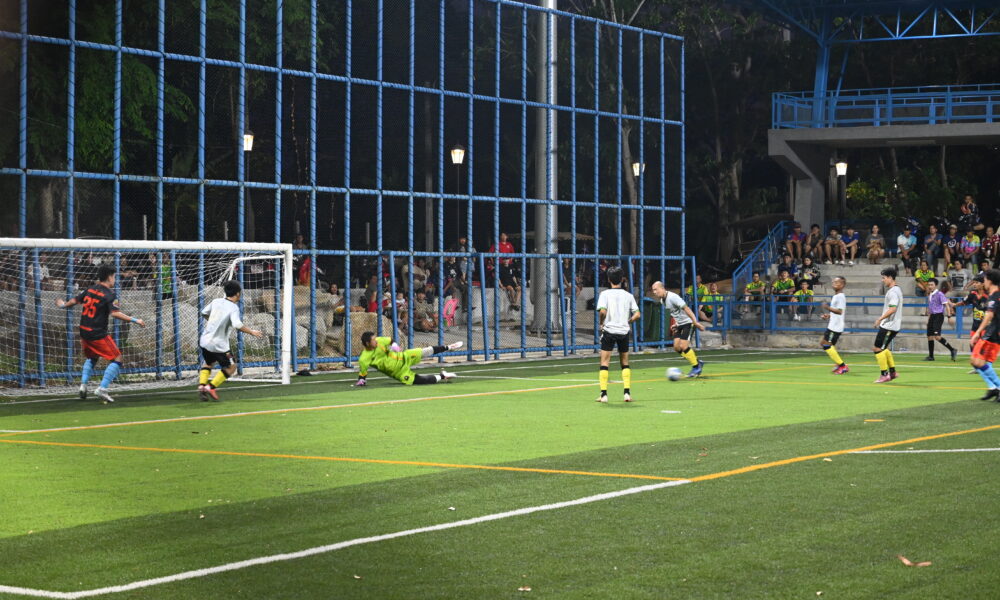
Featured photograph: PattayaPatrol, Wikimedia Commons, licensed CC BY-SA 4.0; reproduced without editorial alteration. Photograph depicts soccer attacking action and is illustrative, not a specific cutback.

Other Articles

Force Out vs. Tag Out in Baseball: The Difference With 6 Examples
Wall Pass in Soccer: How the One-Two Works and 3 Training Drills