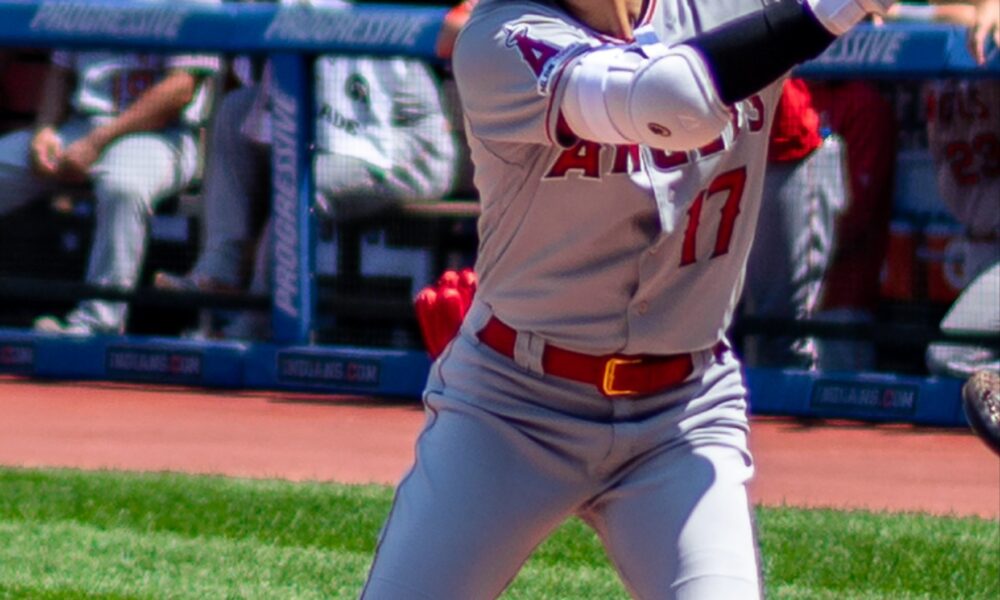

The designated hitter (DH) is a player in an MLB lineup who bats instead of the pitcher without occupying a normal defensive fielding position. Both the American League and National League use the DH. The rule matters for lineup construction, pinch-hitting decisions, and two-way players such as Shohei Ohtani.
This explanation relies on MLB’s official designated-hitter glossary, checked October 11, 2026.
What does a designated hitter do?
In a traditional lineup without a DH, the pitcher may be required to take a place in the batting order. With a DH, the manager designates a separate player to bat in that slot while the pitcher continues to play defense. The DH usually spends the team’s defensive innings in the dugout rather than taking the field.
A designated hitter is not automatically the best hitter on the roster; the manager chooses one based on the roster, injuries, platoon matchups and other strategic considerations. They can be a power hitter or a position player getting a partial rest day.
Why does MLB have the DH in both leagues?
The American League introduced the rule in 1973. The National League used to feature pitchers batting in many games, but adopted the DH through the collective bargaining agreement covering the 2022–2026 period. That change made a DH the standard in both leagues rather than an AL-only curiosity.
Older baseball highlights may show the pitcher hitting regularly, especially in National League parks. That historical context should not be mistaken for a description of current everyday MLB lineups.
Can a team change its designated hitter?
Yes, but the replacement inherits the DH role. According to MLB’s explanation, a player entering as a pinch-hitter or pinch-runner for the DH becomes the new designated hitter. The designated player ordinarily must bat at least once unless the opposing team changes pitchers before that happens.
Teams also face restrictions. If the DH is subsequently used on defense, the team gives up its separate DH for the remainder of that game, and pitchers may then have to bat when their lineup spot comes around. Other position switches can also terminate the DH under Rule 5.11.
What is the Shohei Ohtani rule?
The two-way-player provision introduced before the 2022 season allows a starting pitcher who is also his team’s designated hitter to be treated as two roles for substitution purposes. If that player is removed from pitching, he may remain in the batting order as the DH. Conversely, if he is replaced as DH, he may continue pitching but cannot keep batting for himself in that game.
This exception enables a player like Ohtani to start on the mound and remain an offensive contributor even after a pitching change. It is not an exemption from the rest of the lineup and substitution rules.
Simple DH lineup example
Imagine a starting pitcher called Pitcher A and a DH called Batter B. Batter B occupies a slot in the batting order and hits whenever that spot comes up. Pitcher A handles the pitching but does not have a separate place in the order. Later, the manager pinch-hits Batter C for the DH; Batter C becomes the lineup’s new DH.
Understanding the DH makes box scores and pinch-hit substitutions easier to read. For broader context, see our guides to how many innings baseball has and ERA for pitchers.
Frequently asked questions
Does the designated hitter play defense?
Not in the ordinary DH role; taking a defensive position can cause the team to lose its separate DH under the substitution rules.
Can an MLB pitcher also be the DH?
Yes. The two-way-player provision allows a starting pitcher to be listed as the team’s DH and continue batting after leaving the mound.
Do National League teams use a DH?
Yes. The National League adopted the DH as part of the 2022–2026 agreement.
Official sources and photo credit
- www.mlb.com official rules or guidance (checked October 11, 2026)
- Featured photo by Erik Drost. Original Wikimedia Commons file; Creative Commons license. No modifications made.

Other Articles

NFL Two-Minute Warning Explained: When It Stops the Clock
How to Make a Map in Minecraft: Java vs. Bedrock Recipes
