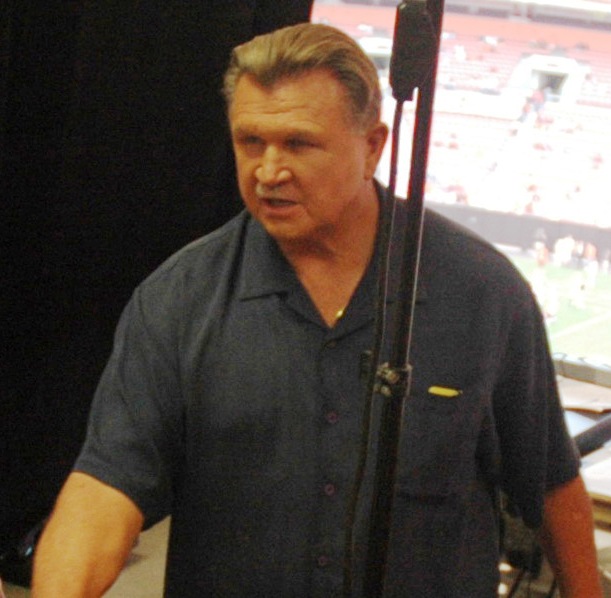

Updated October 9, 2026: Mike Ditka, the Hall of Fame tight end and legendary Chicago Bears coach, has died at age 86. His family announced his death on Friday, October 9, according to the Pro Football Hall of Fame and NFL.com. The family did not disclose a cause of death in its initial statement. Ditka was a champion as a player, assistant coach and head coach, and his influence extends far beyond Chicago’s unforgettable 1985 season.
What happened to Mike Ditka?
The Pro Football Hall of Fame published its remembrance on October 9, confirming that Ditka died at 86 and citing the announcement from his family. NFL coverage also confirmed his death and revisited his playing and coaching careers. An initial report can establish a death without establishing its medical cause; readers should not confuse speculation about old health problems with an official cause-of-death announcement.
Ditka was born October 18, 1939, in Carnegie, Pennsylvania, and would have turned 87 later this month. His nickname, “Iron Mike,” captured the intensity associated with his on-field blocking and demanding sideline personality. But the numbers show he was more than a tough-guy caricature: he helped redefine how NFL teams could use the tight end as a receiver.
Why is Mike Ditka famous?
Ditka is most closely identified with the Chicago Bears, whom he coached to the Super Bowl XX championship following the 1985 season. The Bears went 15–1 in the regular season and beat the New England Patriots 46–10 in the Super Bowl on January 26, 1986. That defense-heavy team also became a fixture of American sports culture, but its title-winning offense and Ditka’s management of a collection of strong personalities were substantial parts of its story.
He did not start out as a coach. Selected fifth overall by Chicago in the 1961 NFL Draft, Ditka arrived as a tight end who combined punishing blocking with unusual receiving productivity for the era. He caught 56 passes for 1,076 yards and 12 touchdowns in his rookie season, according to the NFL’s remembrance. Those figures illustrate why he was an early model for the modern dual-purpose tight end.
Mike Ditka’s playing career: Bears, Eagles and Cowboys
Chicago Bears, 1961–1966
Ditka started his NFL career with Chicago and was part of the Bears’ 1963 NFL championship team. His production as a rookie immediately changed expectations for the position. That combination of receiving and physical play eventually helped carry him into the Pro Football Hall of Fame as part of the Class of 1988.
Philadelphia Eagles, 1967–1968
Ditka’s Philadelphia spell was less successful. Injuries and reduced production limited his role, and he later reflected on the uncertainty of his career before joining the Dallas Cowboys. This section of his journey matters because his later championship success was not a straight line from an explosive rookie season.
Dallas Cowboys, 1969–1972
He finished his playing career in Dallas, where he won Super Bowl VI against the Miami Dolphins following the 1971 season. Ditka caught a seven-yard touchdown pass from Roger Staubach in the 24–3 victory. After retiring as a player, he joined Tom Landry’s coaching staff and was part of the Cowboys’ Super Bowl XII championship as an assistant.
How Ditka built the championship Bears
Ditka returned to Chicago as head coach in 1982. His tenure coincided with a roster featuring Walter Payton, Mike Singletary, Richard Dent, Jim McMahon and other major NFL personalities. Buddy Ryan directed the defense; Ditka’s approach helped define the team’s competitive identity. Chicago made multiple playoff runs during his 1982–1992 head-coaching tenure and claimed the Super Bowl XX title.
There were disputes and disappointments as well as wins. Ditka later said he regretted not calling a touchdown play for Walter Payton during the Super Bowl blowout. Being candid about that decision is part of a balanced account: the 1985 Bears were dominant, yet even their most celebrated moments attracted difficult questions.
Ditka subsequently coached the New Orleans Saints from 1997 through 1999. The comeback did not produce the success he had experienced in Chicago, and he returned to television and commentary after leaving the sidelines. The NFL lists his overall head-coaching record as 121–95.
Why his impact reached beyond football
Ditka worked as a broadcaster and became a recognizable pop-culture figure. The recurring “Da Bears” sketches on Saturday Night Live drew on the larger-than-life reputation attached to Chicago’s team and its coach. That visibility helped make him familiar even to Americans who did not closely follow regular-season football.
His achievements bridge several eras: 1960s NFL championships, the Cowboys’ early Super Bowl years and the 1985 Bears’ peak. The Pro Football Hall of Fame’s October 9 tribute emphasizes that rare scope: he reached the sport’s biggest stage as a player, an assistant and the coach in charge.
For more current football coverage on AVARIXO, explore our Sports section or read our Cowboys–Buccaneers Week 5 player-status guide. These are related reading links, not sources for the news of Ditka’s death.
FAQ
When did Mike Ditka die?
His family announced his death on Friday, October 9, 2026, according to the Pro Football Hall of Fame and NFL.com.
How old was Mike Ditka?
He was 86 years old. He was born October 18, 1939.
What was Mike Ditka’s cause of death?
A cause of death was not disclosed in the initial family announcement. Earlier medical history should not be presented as a confirmed cause.
How many Super Bowls did Mike Ditka win?
He won Super Bowls in three roles: as a Dallas Cowboys player (Super Bowl VI), as a Cowboys assistant coach (Super Bowl XII) and as head coach of the Chicago Bears (Super Bowl XX).
Was Mike Ditka in the Pro Football Hall of Fame?
Yes. Ditka was inducted in the Class of 1988 for his contributions as a tight end.
Sources and reporting note
This article was checked against the Pro Football Hall of Fame’s October 9 remembrance, the NFL’s October 9 retrospective, and Associated Press reporting. The featured photo is an archival 2006 U.S. Navy image, not a photograph from the day of his death; it is a U.S. federal government public-domain work.