
Quick answer: NASA has released more than 800 gigabytes of Artemis II lunar science data to the public and scientific community. The October 7 release includes more than 11,000 full-resolution images and videos, about 8.5 hours of crew science audio, annotated imagery and three major reports covering the mission’s lunar observations and science operations.
What NASA released from Artemis II
NASA’s new data package is the most substantial public science release yet from the crewed Artemis II lunar flyby. It combines photographs, video, spoken observations and astronaut annotations rather than treating each medium as a separate record.
NASA says more than 800GB of lunar science material has been uploaded to the Planetary Data System. The release includes more than 11,000 full-resolution images and video files captured by handheld crew cameras and Orion spacecraft cameras, plus 8.5 hours of recorded scientific observations.
The three main Artemis II reports
NASA published three documents alongside the broader dataset:
- Artemis II Preliminary Science Report — 137.11 MB
- Artemis II Lunar Science Operations Report — 36.69 MB
- Artemis II Data User Guide — 7.93 MB
The reports are designed for different audiences. The preliminary science report highlights what the crew observed, the operations report documents how science work was conducted during the mission, and the user guide helps researchers understand and work with the released data.
Five lunar impact flashes seen by the crew
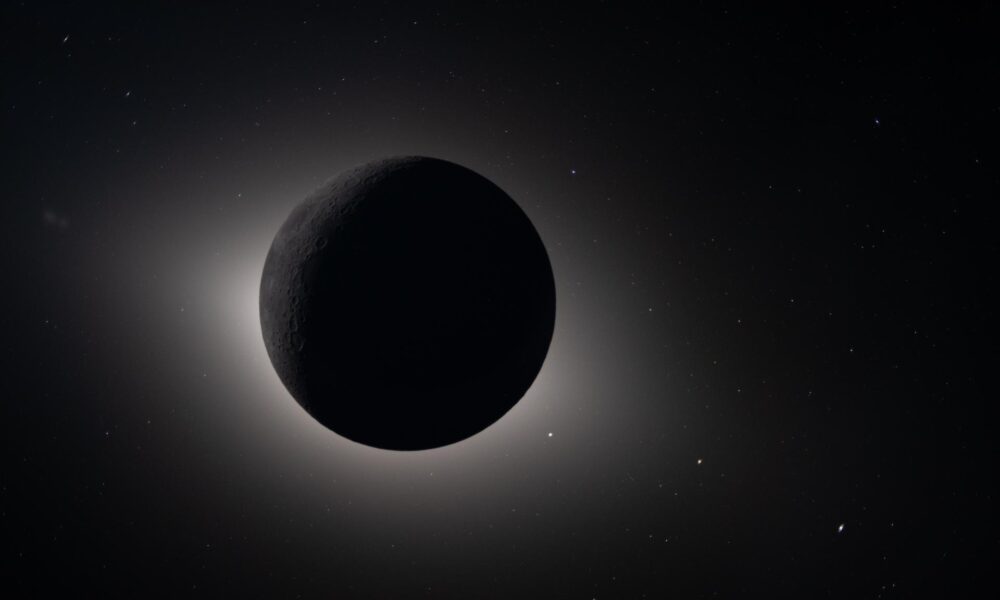
One of the most striking observations came when crew members watched the Moon during an eclipse and reported extremely faint flashes. NASA’s science team says five “pinprick” bursts were confirmed as impact flashes after other explanations such as cosmic rays or spacecraft reflections were evaluated.
The observation matters because it demonstrates the value of trained human observers. Astronauts could notice transient events, discuss them in real time and annotate what they saw, creating context that a camera stream alone may not provide.
What the astronauts saw on the Moon
The crew described subtle lunar colors including gray, black, brown, tan, white, green and blue. NASA explains that those visual differences can relate to iron content, titanium-rich volcanic rocks and glass formed by ancient impacts or volcanism.
The astronauts also focused on the lunar terminator — the boundary between day and night. Low-angle sunlight there casts long shadows, making topography more visible. NASA is particularly interested in these observations because similar lighting conditions exist near the lunar South Pole, where future crews are expected to work.
Why the 800GB dataset matters
NASA describes this as the first planetary science dataset captured primarily by humans in more than half a century. The material can be compared with orbital datasets from missions such as Lunar Reconnaissance Orbiter, giving scientists multiple ways to study the same terrain.
Human observations also record perception: what colors looked like through Orion’s windows, which features caught attention and how apparent texture changed with lighting. That can help NASA refine cameras, training and science operations for future crewed lunar missions.
Where to access the data
NASA’s preliminary report page links to the reports, audio library, lunar imagery and the Planetary Data System. The material is intended for both researchers and the public, although some files are large and may require specialist tools or significant storage.
For more science and breaking explainers, visit AVARIXO’s News & Explainers section.
Sources
- NASA — Artemis II lunar science data release
- NASA Science — Artemis II Preliminary Lunar Science Report
FAQ
How much Artemis II science data did NASA release?
NASA says the release exceeds 800GB.
How many Artemis II images are included?
The dataset contains more than 11,000 full-resolution images and video files.
Can the public download the Artemis II data?
Yes. NASA links the reports, imagery, audio and Planetary Data System resources publicly.

Other Articles