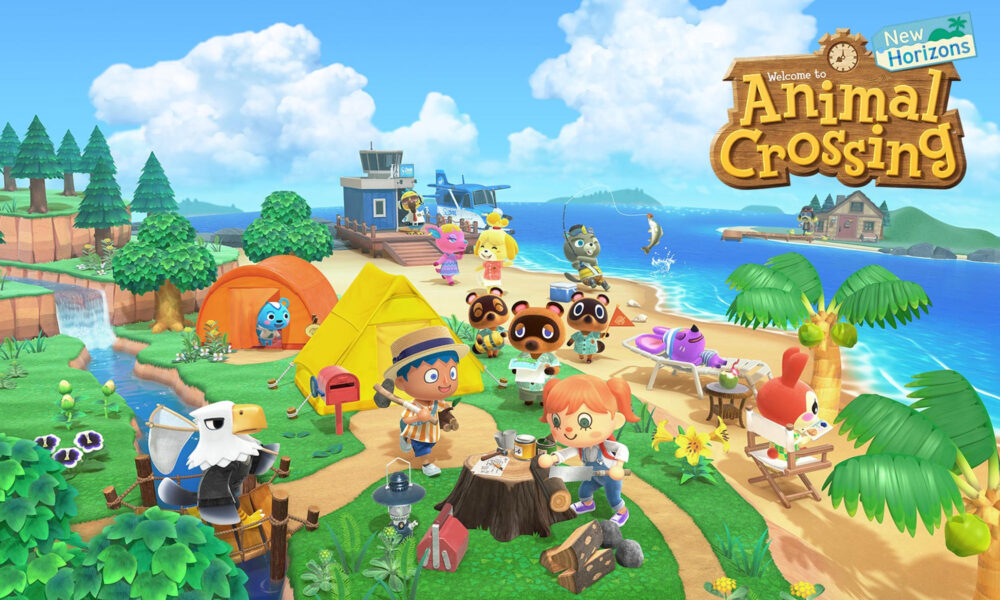

Quick answer: In Animal Crossing: New Horizons, progress comes from steady daily activity rather than rushing. Early priorities are gathering materials, completing Nook Miles tasks, improving tools and storage, donating new discoveries to the museum, and placing buildings where you will be comfortable with them long term.
Do not try to finish the island in one day
Nintendo designed the game around a real-time calendar and gradual island development. Shops, construction and resident activity can depend on time. Use the first days to learn the island and build a resource routine instead of worrying about a perfect layout immediately.
Use Nook Miles as an early roadmap
Nook Miles tasks reward common activities such as catching creatures, gathering resources and interacting with the island. For a new player, they are useful because they encourage you to sample the major systems while earning a currency used for early progression and rewards.
Collect materials without destroying your routine
Wood, stone, iron and other materials become important for crafting and construction. Keep a small reserve instead of selling everything. When gathering from trees or rocks, think about tomorrow’s needs as well as today’s Bells.
Donate new creatures before selling duplicates
When you catch a fish, bug or other museum-worthy discovery for the first time, consider donating it before selling repeats. This creates steady museum progress and prevents the frustration of trying to remember later whether a species has already been contributed.
Place buildings thoughtfully
Early tents and building locations can shape the island for a long time. You can redesign extensively later, but moving infrastructure costs time and in-game resources. Leave room around paths, bridges and common travel routes rather than packing everything tightly.
Talk to residents and check the island every day
Nintendo emphasizes getting to know animal residents. Daily conversations, visitors, message bottles, shops and seasonal events make short check-ins useful even when you are not planning a long play session.
Use storage instead of carrying everything
As home and storage options expand, keep crafting materials, seasonal items and furniture you may reuse. A clean inventory makes fishing, bug catching and resource collection easier.
Online play and visitors
The original Switch version supports online play with a Nintendo Switch Online membership. The current Nintendo product page lists online sessions for multiple players. Only invite people you trust when your island contains dropped items or areas you do not want disturbed.
Switch 2 Edition note
Nintendo now also sells a Switch 2 Edition with enhanced resolution and additional Switch 2 features. Core island progression remains recognizable, but platform-specific features and multiplayer capabilities can differ, so check the version you own before following hardware-specific instructions.
FAQ
What should I sell early?
Sell duplicates and excess materials after reserving what you need for crafting and progression.
Should I restart for a perfect island?
Most players benefit more from learning the systems first. Many layout choices can be changed later.
Do I need Nintendo Switch Online to play alone?
No. The single-player island experience does not require the online membership.
Official reference

Other Articles

Mario Kart 8 Deluxe: Beginner Racing, Items and Online Modes
Luigi’s Mansion 3: Puzzle, Ghost and Co-Op Beginner Guide