Charles Pinckney National Historic Site (2026): Free Entry, Seasonal Hours and Snee Farm Trail

Quick answer (October 14, 2026): Charles Pinckney National Historic Site is a free National Park Service site at 1254 Long Point Road in Mount Pleasant, South Carolina, near Charleston. Its surviving 1828 cottage is not the original house Charles Pinckney lived in. The grounds preserve a 28-acre portion of Snee Farm and offer exhibits about the Constitution, plantation agriculture, and the lives of enslaved people. Important for October visitors: the posted 2026 visitor-center season ran from May 1 through September 27, so do not assume the cottage museum is open on an October visit. Confirm the grounds gate and any special openings on the official NPS site before traveling.
2026 planning essentials
| Question | Practical answer |
|---|---|
| Where is it? | 1254 Long Point Road, Mount Pleasant, SC 29464, off US 17. |
| Admission | Free; the NPS does not collect a standard entrance fee. |
| Grounds schedule | Usually Wednesday–Sunday, 9 a.m.–5 p.m.; closed Monday and Tuesday. Check current gate status before departure. |
| 2026 indoor cottage season | Posted as May 1–September 27, Wednesday–Sunday, 9 a.m.–4:30 p.m. Do not treat indoor access as year-round. |
| Time needed | Approximately 45–90 minutes for an unhurried grounds visit; add time for exhibits when the cottage is open. |
| Parking | On-site parking near the visitor facilities; the gate closes when park grounds are closed. |
| Walking | Short interpretive route with a boardwalk and historic landscape stops; portions can be uneven outdoors. |
Hours are operational information and may change because of weather, staffing or special events. Use the official NPS operating-hours page and current park homepage for the final check. Older descriptions may list a different cottage schedule because they predate the 2026 seasonal calendar.
What is Charles Pinckney National Historic Site?
This is not a replica colonial village or a preserved 18th-century Pinckney mansion. The property is a surviving 28-acre core of Snee Farm, once a far larger plantation associated with Charles Pinckney (1757–1824). The farm grew crops including rice and indigo using labor performed by enslaved Africans and African Americans. The site interprets both Pinckney’s prominent political career and the people whose work supported the plantation economy.
Pinckney helped shape the United States Constitution and later served as governor of South Carolina and as a diplomat. A visit that focuses only on the founding-father story misses much of what makes Snee Farm historically significant: archaeology, plantation work, the enslaved community and Gullah Geechee cultural connections.
Why the white cottage can be misleading
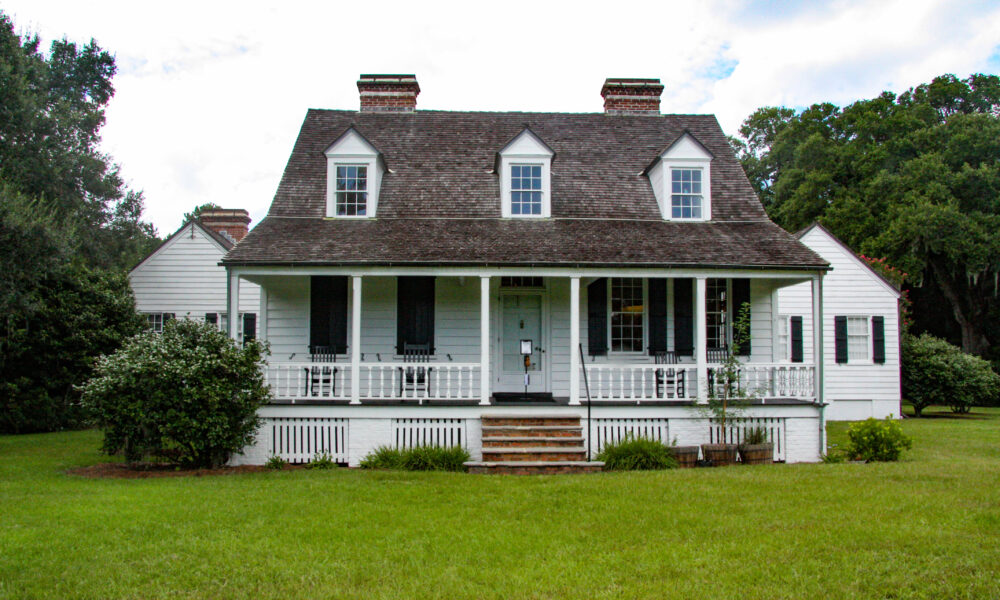
The white, porch-fronted Lowcountry cottage dates to around 1828, after Pinckney’s ownership. It was built by a later property owner on or near the earlier residential area. The original Pinckney-period house no longer stands. The cottage now houses the museum and visitor center when open. It is a genuine historic building, but not Charles Pinckney’s surviving personal home.
What can you actually see?
1. The Snee Farm landscape and historic cottage exterior
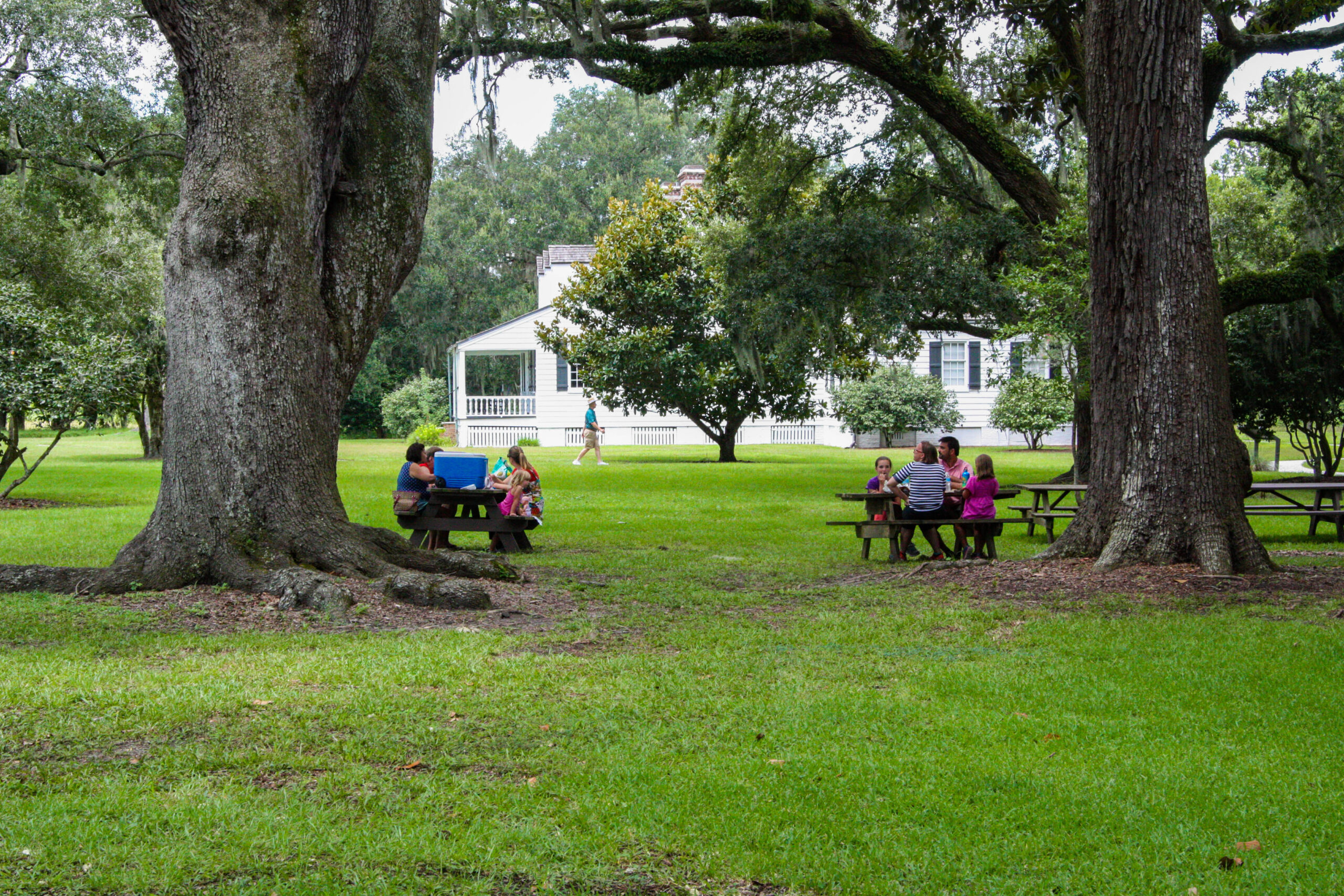
Walk toward the white cottage to see its characteristic deep porch, shutters, historic construction and mature tree canopy. From the grounds you can understand how later owners adapted this Lowcountry plantation landscape. Do not enter closed buildings or step across barriers even when the grounds are open.
2. The short trail and boardwalk
A brief interpretive route, commonly described by NPS as about a half mile overall, passes natural and cultural features. A boardwalk section crosses low-lying ground; it is not a long wilderness hike. Plan for mosquitoes, heat, uneven surfaces and a slippery boardwalk after rain. Bring water even on a short visit.
3. Museum exhibits if the visitor center is open
When available, the cottage museum offers exhibits and collections related to Charles Pinckney, archaeology, 18th- and 19th-century plantation life, and African American experiences. If the 2026 seasonal visitor-center closure remains in effect, plan for an exterior-focused outing rather than assuming access to galleries, the movie, shop or indoor restrooms.
4. Programs and Junior Ranger opportunities
Ranger-led activities may be offered on request or on special dates, depending on staff and weather. For an organized school or group visit, call ahead. Do not count on a daily ranger tour without confirmation.
A realistic 60-minute itinerary
| Minutes | What to do | Why it matters |
|---|---|---|
| 0–10 | Read site signs and orient yourself at the historic cottage. | Distinguish the 1828 building from the lost Pinckney-era house. |
| 10–30 | Walk the outdoor route and boardwalk. | See the preserved setting, habitat and former plantation property. |
| 30–45 | Spend time at the interpretive stops. | Connect plantation labor and archaeology to the site’s history. |
| 45–60 | Explore remaining open public areas; visit indoor exhibits only if operating. | A flexible finish avoids depending on seasonal building access. |
Getting there, access and safety
The public visitor destination is 1254 Long Point Road, not the park’s separate mailing address on Sullivan’s Island. From Charleston, cross toward Mount Pleasant and follow US 17 or I-526 to Long Point Road. NPS directions describe free parking on the site. The grounds gate is locked outside operating hours; do not park where access could be blocked.
Visitors who need step-free access should review the NPS accessibility information before visiting. Service animals are accommodated under park rules, but ordinary pets must follow posted trail and leash restrictions. Bring insect repellent in warmer months, and remember that summer humidity can make a short walk feel strenuous.
How does it compare with other historic NPS visits?
Charles Pinckney is best when you want a quiet outdoor lesson on early American politics and the often-overlooked plantation community, rather than a large museum or a full-day park. Readers planning several heritage stops can compare its free, small-footprint format with our guide to George Washington Carver National Monument, another place that interprets American history through a preserved landscape. The sites are in different states, so this is a comparison of visit style, not a nearby driving suggestion.
FAQ
Is Charles Pinckney National Historic Site free?
Yes, NPS says the site does not collect entrance fees. Special permits for organized activities or certain filming are separate from ordinary visitor admission.
Is the Pinckney house original?
No. The surviving cottage dates to approximately 1828, after Pinckney’s tenure at Snee Farm.
Is the museum open in October 2026?
The published 2026 visitor-center season ended September 27. Check directly with NPS for any special openings; outdoor access and indoor access can have different schedules.
How long should I allow?
Allow around one hour for a short grounds visit and longer if the cottage exhibits and a ranger program are open.
Can I visit on Monday or Tuesday?
The listed routine grounds schedule closes on Monday and Tuesday. Check the park’s official hours for exceptions, rather than assuming the gate will be open.
Last fact check: October 14, 2026. Park access is subject to change; confirm operational details on the official NPS page immediately before your visit.

Other Articles