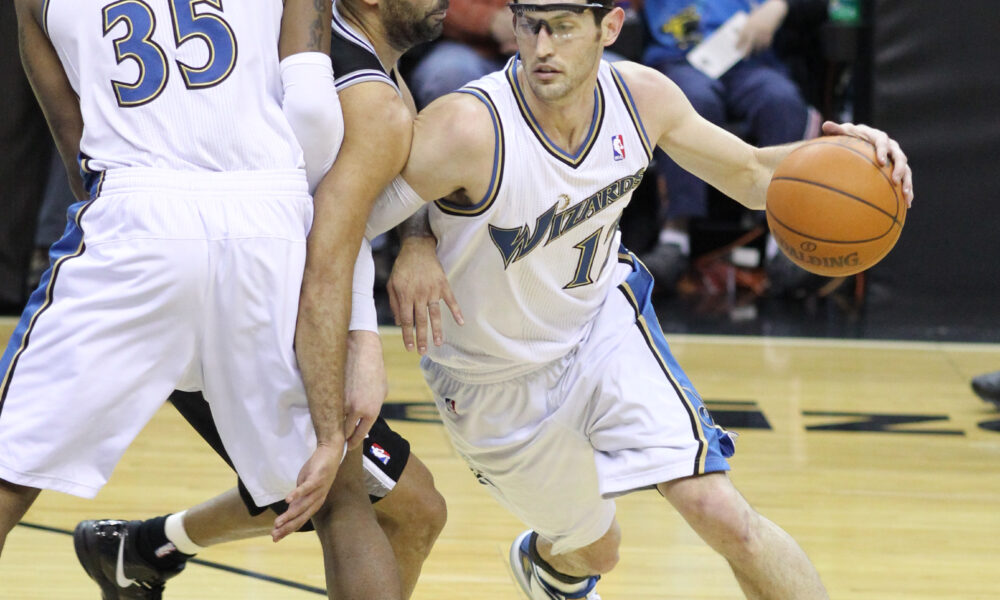

Quick answer: The pick and roll in basketball is a two-player offensive action. One player sets a screen (the pick) on the on-ball defender, then moves toward the basket (the roll) as the ball handler uses the screen. A successful play does not require a dunk or an assist every time: it creates a decision for the defense, opening a drive, pass, pull-up jumper or pass to a teammate when defenders rotate.
That sequence is the core of the play described in the Jr. NBA pick-and-roll definition. This guide adds the practical details: how to set a legal screen, how guards should read different defenses, how screeners can improve their roll angle and five practice drills that build from simple to game speed.
What Is a Pick and Roll?
Imagine a point guard dribbling toward the top of the key. A taller teammate walks up to set a screen on the guard’s defender. The guard dribbles close enough to the teammate that the defender must go around the screen or switch assignments. Immediately after the defender’s decision, the screener turns and moves toward the basket as a pass or offensive rebound target. That is a pick and roll.
The offensive team ideally forces two defenders to guard two players in a way that creates a momentary advantage. The real goal is to make defenders commit, then choose the easiest available shot. If there is no advantage, reset instead of trying to force a difficult pass through traffic.
Four Steps to Run a Basic Pick and Roll
- Set the angle. The screener approaches under control and positions their body to block the intended path of the on-ball defender. The screener should establish a legal stationary position rather than shuffling into contact at the last instant.
- Wait for the screen to be ready. The ball handler watches the defender and moves close to the screener’s shoulder. Leaving a wide gap gives the defender space to slip through.
- Read the defender. Is the defender trailing behind the ball handler, going underneath the screen or exchanging assignments with the screener’s defender? Each choice creates a different response.
- Roll with purpose. The screener turns toward the rim, presents a passing target and travels into open space. The ball handler decides whether to drive, shoot, pass to the roller or send the ball to an open teammate on the perimeter.
The order matters. A screen that never influences the defender is just a teammate standing nearby; a hard cut before the screen is set may become a slip rather than the textbook pick-and-roll.
What Makes a Basketball Screen Legal?
A screener cannot indiscriminately run into a moving opponent and call it a pick. Legal screening principles vary in their precise wording by NBA, NCAA, NFHS and FIBA rules, but maintaining a proper screening position and not using moving body parts to displace a defender is fundamental.
When screening an opponent who is stationary or moving, the rules may require sufficient time or distance for the defender to avoid contact, especially if the screen is outside their field of vision. Coaches should teach screeners to plant securely, keep arms within their space and avoid pushing with the hip or elbow. The offensive player who initiates illegal displacement risks an offensive foul.
Practical coaching cue: “Arrive, stop, present a solid angle, then roll after the guard uses it.” Do not ask beginners to create contact through extra shuffling.
Five Reads Every Ball Handler Should Learn
1. The defender chases over the screen
When the on-ball defender trails over the top, the ball handler can turn the corner toward the paint. Keep the dribble alive long enough to force the second defender to choose between protecting the rim and taking the roller. If the defending big steps up, a pass to the rolling screener may open.
2. The defender goes under the screen
If the defender goes behind the screener and under the action, they are often conceding some perimeter space. A shooter who can hit that open shot may take it. Otherwise, the ball handler can re-screen, attack another angle or keep the offense moving. Do not automatically take a long jump shot simply because a coaching diagram says “shoot against under.”
3. The defenders switch assignments
A switch makes the screener’s defender guard the ball handler and the on-ball defender guard the screener. It may create a size or speed mismatch. The guard can attack a slower defender from space while the rolling player seals a smaller opponent inside. The best read depends on the actual matchup, not only the label “switch.”
4. The big defender drops toward the paint
In drop coverage, the screener’s defender stays deeper to contain the drive and protect the rim. The ball handler may have a pull-up opportunity, a pocket pass to a roller in space or a drive if the defender retreats too far. The trailing guard defender remains relevant; defenders can recover and close gaps quickly.
5. Two defenders trap or blitz the ball
A trap puts extra pressure on the ball handler. A rushed jump or blind cross-court pass is usually a poor solution. The screener can stop briefly in a short roll as a release target, catch safely and pass to the open teammate when the defense rotates. The guard should use a controlled pass angle and a strong pivot rather than dribbling into the sideline with no outlet.
Pick and Roll vs. Pick and Pop vs. Slip Screen
| Play | Screener’s move | Typical benefit | What can go wrong |
|---|---|---|---|
| Pick and roll | Sets screen, then cuts toward basket | Rim pressure and passing lane | Congested paint or defender tags roller |
| Pick and pop | Sets screen, then moves into open perimeter space | Catch-and-shoot or drive against closeout | Screener not a credible shooter |
| Slip screen | Leaves or avoids full contact early and cuts to the rim | Exploits defenders anticipating switch/trap | Ball handler and cutter misread timing |
| Short roll | Stops in space between screen and rim | Catch, pass and attack a 4-on-3 advantage | Poor catching and passing under pressure |
These are variations of the same defensive question: whom does the defense help against, and who becomes free when it commits?
What Should the Other Three Players Do?
A two-player screen happens inside a five-player offense. Other offensive players must preserve useful spacing, offer clear passing windows and react when their defenders leave them to tag the roller. Common ideas include keeping a shooter in the weak-side corner, positioning another player on the wing and moving out of a teammate’s driving lane.
A weak-side defender may step into the paint to stop the roller. That help creates a potential kick-out pass to an open shooter. The ball handler should learn to scan beyond the screen, while teammates should move decisively enough that a simple pass stays available. The roles of guards, wings and bigs are discussed in our basketball positions guide.
How to Defend a Pick and Roll
| Coverage | What defenders do | Common weakness |
|---|---|---|
| Switch | Trade assignments during the screen | Offense attacks the new mismatch |
| Drop | Big defender protects paint while guard recovers | Available pull-up or in-between passing window |
| Hedge / show | Big defender steps up briefly to slow the ball | Roller can gain space behind the hedge |
| Blitz / trap | Two defenders pressure the ball handler | Short roll may produce a 4-on-3 |
| Ice / down | Attempt to keep the ball away from the screen, often toward sideline | Rejecting the screen can create an opening |
Real NBA possessions blend these coverages. Watch how teammates help after the first defensive decision; the second and third rotations often determine whether the offense gets a good shot. An official Phoenix Suns film analysis of Chris Paul’s pick-and-roll decisions describes several different coverages and why guard reads matter.
Five Pick-and-Roll Drills That Build Real Game Skills
Drill 1: Two-player timing without defenders
Start with one ball handler and one screener. The screener approaches, plants in the designated area and rolls after the guard dribbles off the shoulder. Make a clean pass and finish at the basket. Begin at walking speed, then add pace after the timing becomes consistent.
Drill 2: Screen-angle gates
Mark two cones roughly a few steps apart. The ball handler tries to move close to a stationary screen without leaving a wide gap. A coach watches the screener for unnecessary movement. Each repetition ends with a controlled roll and a pass or shot.
Drill 3: Two-on-two live reads
Add one defender on the guard and one on the screener. Ask defenders to alternate between going under, going over and switching. The ball handler must call the read and choose a sensible option instead of taking the same shot each time.
Drill 4: Short-roll decision
Practice a trap situation with the screener briefly stopping in open space. The ball handler passes out of pressure; the short roller takes one controlled dribble or passes to a teammate. Progress to three-on-three so the ball moves to a legitimate third player.
Drill 5: Three-on-three with weak-side tag
Put a third offensive player in the corner and a help defender near the lane. The help defender may tag the roller, so the ball handler must read the open corner instead of forcing a contested interior pass. This connects the ball screen to real team spacing.
For finishers who struggle to convert close-range passes, add a separate Mikan layup drill after the team practice.
Common Mistakes That Make the Pick and Roll Fail
- The ball handler leaves a gap: The on-ball defender slips through without losing position. Brush close to the legal screen.
- The screener rolls before establishing a useful screen: The defender is never forced into a decision. Communicate whether you are actually screening or deliberately slipping.
- The screener stays at the three-point line without a plan: That’s closer to a pop than a roll. Make the intended variation clear to both players.
- The guard stares only at the roller: Weak-side defenders can intercept the obvious pass. See the whole floor.
- Everyone crowds the paint: Teammates must space and relocate when their defenders help.
- A mobile screen becomes an illegal screen: Avoid shuffling into the defender or extending the hip; teach balanced, legal technique.
Pick-and-Roll FAQ
Why is it called a pick and roll?
The offensive player first sets a pick, another word for a screen, then rolls or cuts toward the basket as the ball handler uses that screen.
Can a guard set the screen?
Yes. Although taller players often screen for smaller guards, the action is defined by roles in the play rather than fixed positions. A guard-to-guard screen can create switches and mismatches too.
Does the screener always have to touch the defender?
No. A legal, well-angled screen influences a defender’s path; contact is not required. A deliberate slip is another way to exploit a defense anticipating a screen.
What is the best defense against a pick and roll?
There is no universal answer. Switching, dropping, hedging, trapping and icing each have strengths and weaknesses depending on the defenders, offensive players, court location and time remaining.
Can a youth basketball team run pick and roll?
Yes, provided players understand legal screens, passing, spacing and basic game reads. Start with a simple two-player action before adding complicated third-player options.
References and Photo Credit
Core definition from Jr. NBA; defensive examples referenced from NBA.com analysis. Rules for screening differ by league; check the current rulebook for the competition in which you play.
Featured photograph: Keith Allison / Wikimedia Commons, CC BY-SA 2.0, shows an actual NBA ball-screen sequence during a 2011 Wizards–Spurs game. Resized for web.