
For U11–U12 9v9 soccer, a strong starting formation is 1-3-2-3: one goalkeeper, three defenders, two midfielders and three forwards. It is the formation illustrated in U.S. Soccer’s 9v9 development guide. It offers a clear way to defend with three players while teaching width, passing angles and movement between lines.
It is not the only valid setup. A 1-3-3-2 puts another player in midfield, while a 1-2-3-3 commits more players forward but asks more of the two defenders. The best choice is the one your team can understand and adjust, not a diagram that promises automatic wins.
How many players are in a 9v9 soccer formation?
Nine per team, including the goalkeeper. That leaves eight outfield players to arrange in defensive, midfield and attacking lines. Coaches sometimes omit the first “1” when naming a shape: “3-2-3” means the same structure as “1-3-2-3” once the goalkeeper is understood.
For the United States, U.S. Soccer recommends up to 9v9 for U11 and U12, between the 7v7 and 11v11 stages. Your local competition may specify different roster sizes, substitutions, field measurements or age divisions. Check its published rules rather than assuming every tournament is identical.
1-3-2-3: U.S. Soccer’s example formation
Reading the formation from back to front gives:
- Goalkeeper (1): Supports the defenders with clear passing options, manages space behind the back line and communicates.
- Three defenders (3): A central defender provides cover while the two outside defenders can help the team progress up the wings.
- Two midfielders (2): They work at different heights to provide short, diagonal passing options instead of standing flat beside one another.
- Three forwards (3): A central forward and two wide players stretch the opposition and help create one-versus-one situations.
U.S. Soccer specifically describes the wide positions as an added developmental opportunity when players graduate from 7v7. Its guide also describes two connected groups of four outfield players and staggered central midfielders; these are teaching references, not permanent zones players must never leave.
What the shape looks like when building from the back
With your goalkeeper in possession, the central defender can drop into a safe passing lane while outside backs offer width. One midfielder moves toward the ball and the other holds a more advanced space. Wide forwards can stay high initially to prevent every opponent from crowding the middle.
Tell players what they should see, not only where they should stand: Is the center blocked? Can the goalkeeper pass safely outside? Has an opposing defender followed a wide forward, opening room inside?
What changes without the ball?
When an outside defender presses, the central defender should be ready to cover the space behind. The far-side defender narrows to protect the goal. Midfielders need to notice passes into central space, while forwards decide when to pressure the ball carrier rather than sprinting after every pass.
The objective is not to preserve an exact geometric picture. Players should learn when to become compact, when to protect the middle and when to recover toward their own goal.
Two useful alternatives to 1-3-2-3
1-3-3-2: An extra midfielder
Structure: goalkeeper, three defenders, three midfielders, two forwards. This can help a team connect passes through midfield and give a clear central passing option when opponents crowd the ball. In return, the forward line does not naturally cover both touchlines and the center with three players. Midfielders may have to move wide in possession.
Try it when: your team regularly loses control of central space, or you want to introduce how a midfield trio shares defensive and attacking jobs.
1-2-3-3: Greater attacking width, less defensive cover
Structure: goalkeeper, two defenders, three midfielders, three forwards. This can create many forward passing choices, but losing possession with both defenders isolated is risky. Wide midfielders must be prepared to recover, and the goalkeeper may need to support a larger space behind the defenders.
Try it when: players already understand recovery runs and supporting angles, and a match or training exercise gives them a reason to practise aggressive attacking movement.
These are coaching alternatives, not additional formations endorsed or mandated by U.S. Soccer’s example page. Starting in a different shape is not a substitute for teaching marking, passing, receiving and decision-making.
Which 9v9 formation should your team choose?
Use three practical questions:
- Can the team build from the goalkeeper? If defenders and midfielders struggle to connect, a shape with more central support may help.
- Can the team protect the center after losing possession? If not, favour a shape with clear covering defenders and teach recovery first.
- Can every player develop multiple skills? Young players benefit from rotating roles rather than being assigned a single position for an entire season.
A simple starting plan is to teach 1-3-2-3, give each line two basic jobs in attack and defense, and then experiment with 1-3-3-2 in a training game. Observe whether players recognize passing options and defensive cover. Do not judge a formation by a single scoreline.
A simple 9v9 practice for learning team shape
Set up a small-sided activity with a goalkeeper and outfield groups on each side. Start one attack from the goalkeeper. Ask the defending side to keep one player pressuring the ball, one providing cover and teammates protecting the center.
After a few possessions, rotate outside defenders into midfield, midfielders into forward roles and attackers into defensive positions. Stop only when a clear question will help: “Where was our next safe pass?” or “Who protected the space after the fullback went forward?” This keeps the exercise about reading play rather than memorizing arrows.
For context, our soccer positions and shirt-number guide explains traditional roles, while our 11v11 soccer formations guide explains larger-team shapes. An 11v11 formation cannot simply be copied into 9v9 without removing roles.
9v9 soccer formations: common questions
Is 3-2-3 the same as 1-3-2-3?
Yes. Coaches often leave the goalkeeper out of formation shorthand. Both labels describe three defenders, two midfielders and three forwards in front of one goalkeeper.
Is 9v9 always played by U11 and U12 teams?
It is U.S. Soccer’s recommended maximum format for U11–U12, but age bands and permitted formats can vary by competition. Follow your league’s current instructions.
Should youth players stay in one position?
Not necessarily. Learning more than one role helps players understand spacing and teammates’ decisions. Coaches can balance developing familiar responsibilities with giving everyone a chance to learn elsewhere on the field.
Does one 9v9 formation score more goals?
There is no universal answer. Player ability, decision-making, opposition, space and the team’s understanding matter more than a formation name. Choose a shape that helps players learn and make better decisions.
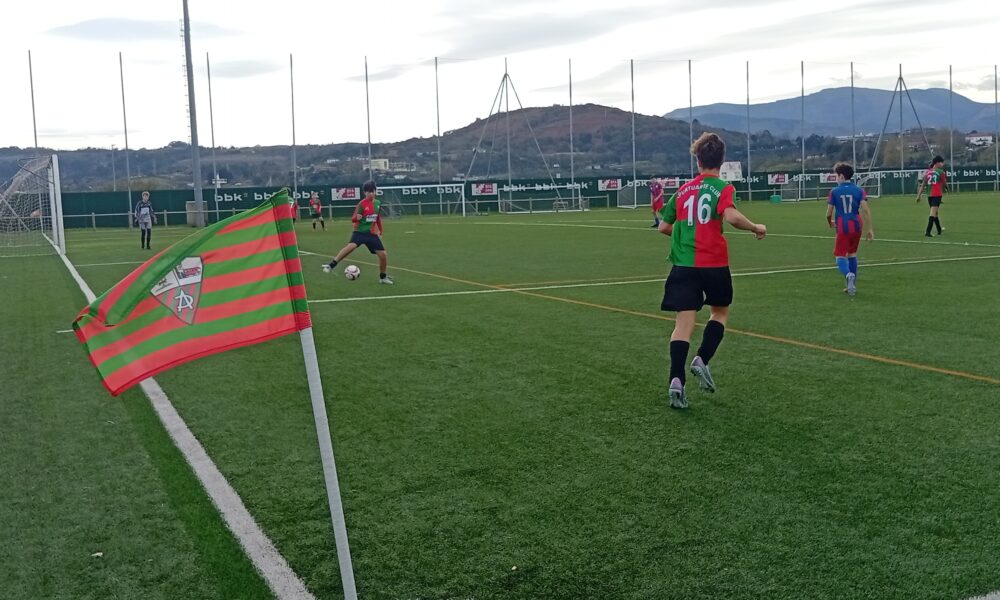
Image note: The featured image is an independently photographed youth match, used to illustrate grassroots soccer; it does not depict or verify a particular 9v9 formation.

Other Articles

How to Delete Wallpapers on iPhone: Remove Old Lock Screens
Fastest Tennis Serve: Sam Groth’s 263 km/h Record Explained